
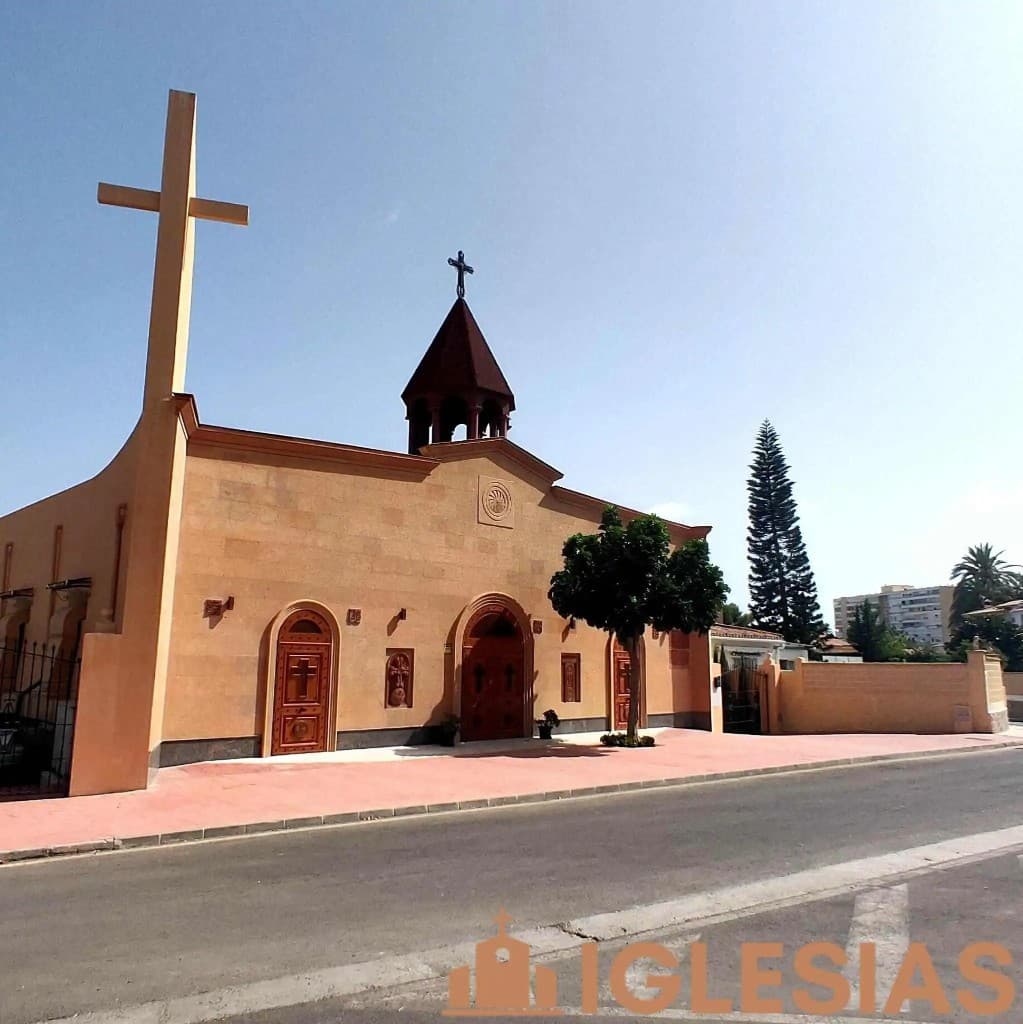
Readers in Spain soon ask a practical question: where is the Armenian community today? This essay offers documentary anchors without inventing population statistics. Official church materials state that the Armenian Apostolic Church has served in Spain since 2009 and note Armenian settlement in cities including Madrid, Barcelona, Valencia, Alicante, Malaga, and Arnedo (see the regional archive on armenian-church.eu).
Liturgy, memory, and the calendar
The Armenian Apostolic Church shapes part of the communal calendar—Easter, Armenian Christmas, and above all April 24, widely associated internationally with remembrance of 1915. Parish life in Spain may rely on shared chapels or ecumenical arrangements by city; pedagogically, the religious dimension links collective mourning with intergenerational transmission.
Calonge and the first parish project
Diaspora narratives often cite Calonge (Catalonia) in connection with the first Armenian parish project in Spain in 2009. A symbolic milestone is not the whole story: many families are dispersed and engage mainly through cultural associations or academic events.
Associations, culture, and schools
Associations host concerts, lectures, film screenings, and public April 24 readings open to neighbors. They sometimes partner with history institutes and human-rights NGOs. Teachers can connect these experiences to the 1915 timeline and to our “Recognition and laws” page, which separates symbolic resolutions from criminal law.
Conclusion
Spain is not empty on Europe’s map of Armenian memory: church life, civic dates, and associations are real. Respectful coverage checks official sources and avoids stereotypes about “invisible minorities.”