
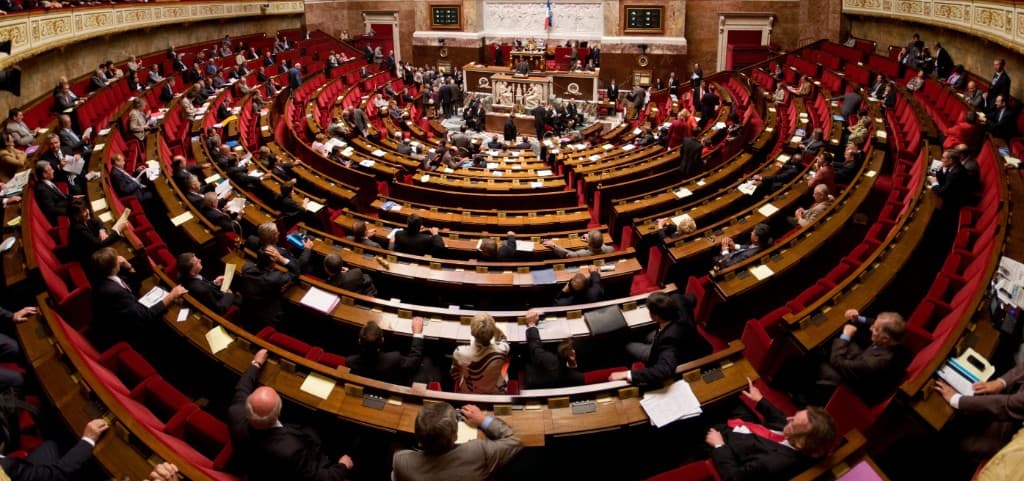
In June 2016 Germany’s Bundestag adopted a cross-party resolution describing the deportation and annihilation of Armenians in 1915 as genocide, explicitly noting Imperial Germany’s wartime alliance with the Ottoman state. The vote was global news and still surfaces in Spanish debates on comparative memory. Emphasize the genre: a parliamentary resolution shapes politics and public education; it is not automatically a new criminal code.
Archives: what to compare
Readers can stack three layers: official Bundestag records or video, wire copy from voting day, and follow-up analysis in specialist or weekend sections. Mistrust undated social screenshots. If an article claims vague “bans,” return to the German text—the resolution addresses memory and foreign policy, not the entirety of German hate-speech jurisprudence.
Classroom takeaway
Contrast the Bundestag motion with a Spanish city-council declaration: different government tiers, different legal weight, similar risk of oversimplified headlines. That juxtaposition trains students to read “recognition” news with precision.