
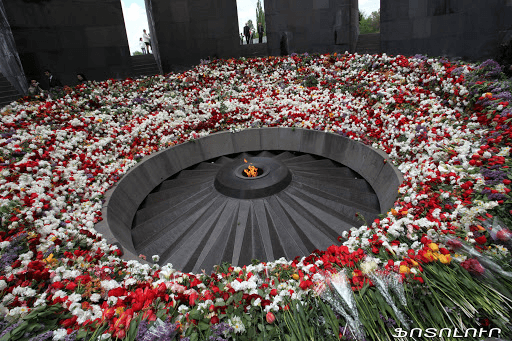
Historical memory is not a zero-sum resource. Contemporary human rights invite us to consider multiple past violences together—each specific, yet revealing shared patterns of discrimination, state propaganda, and institutional silence. This article offers a careful comparative lens for readers in Spain who already navigate debates on civil war, dictatorship, or colonial legacies.
Specificity and methodological parallels
Comparison is not equivalence. The Armenian Genocide, the Holocaust, the Rwandan genocide, and other mass crimes differ politically and socially. What can be compared are questions of method: how historians document state decisions, how archives function, and how denial harms victims. That distinction avoids offensive hierarchies and deepens analysis.
Spain’s democratic memory has involved laws, expert commissions, exhumations, and school debates. Although the historical object differs from 1915 in Anatolia, citizens already know arguments about truth, symbolic justice, and reparation—experience that can foster empathy with Armenian claims without conflating national histories.
Human rights and state responsibilities
Modern international law, especially after 1945, developed norms to prevent genocide, torture, and crimes against humanity. Public memory is part of a wider ecosystem: education, open archives, research freedom, and minority protection. Recognizing a historical genocide strengthens that ecosystem even when the crime lies in the past.
International bodies often link genocide denial to risks for coexistence today. From a human-rights perspective, memory policies are not optional extras—they are tools of symbolic and cultural prevention.
Avoiding competitive suffering
A common social-media failure is “Olympics of suffering.” A human-rights framing rejects that logic: every victim group deserves truth and dignity; recognizing one grave violation does not negate others. Rigorous journalism and teaching can replace competitive frames with evidence and context.
Implications for readers in Spain
Understanding the Armenian Genocide within a human-rights framework helps interpret European Parliament resolutions, municipal statements, or local Armenian cultural initiatives. It also equips readers to engage skeptics without losing documentary standards: sources matter more than comment-thread volume.
We encourage combining this site with university libraries, archives, and specialist organizations. Comparative memory, properly understood, strengthens mutual respect and democratic politics.
Closing
Historical memory and human rights reinforce each other when public discourse avoids simplification and privileges evidence. The Armenian Genocide illustrates how states can destroy entire communities—and how democratic societies can respond with truth, education, and recognition.