
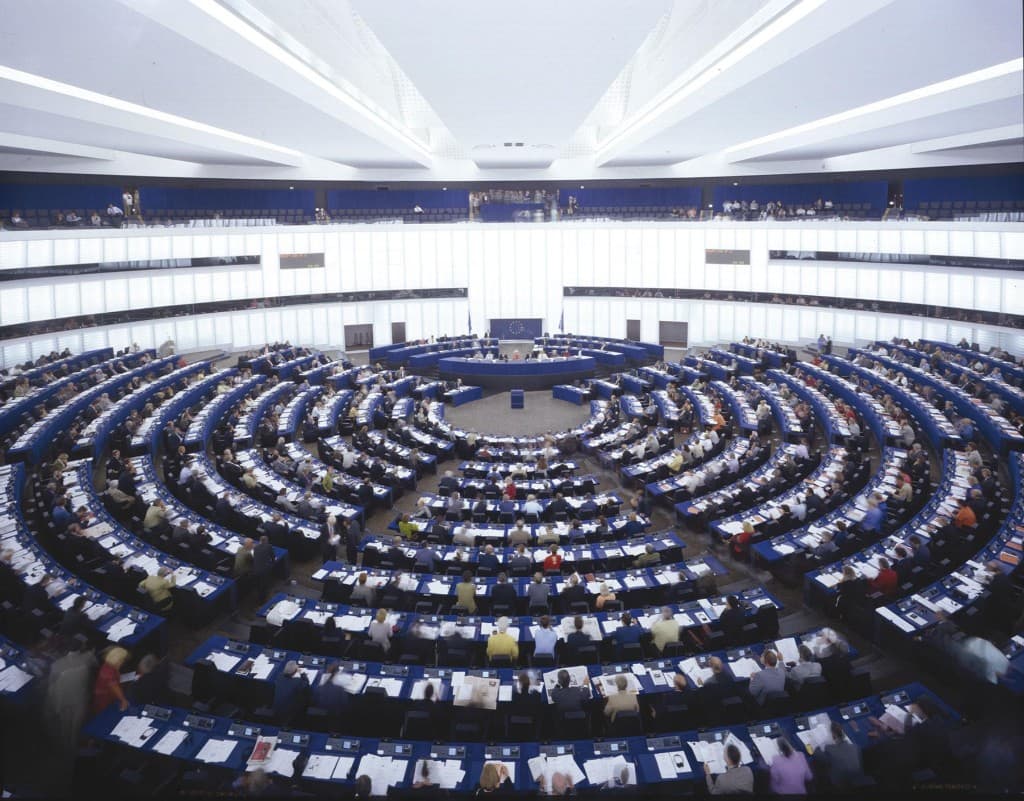
In Europe, “historical recognition” is more than symbolism: it often appears in parliamentary resolutions, government statements, education policy, and international forums. In the Armenian Genocide of 1915, recognition rests on decades of scholarship, diplomatic archives, and survivor testimony. This article explains what that process involves and how it fits Europe’s wider framework of democratic memory and human rights.
Documented truth and informed public debate
Mature democracies distinguish between opinion and evidence-based knowledge. On the Armenian Genocide, the mainstream of international academic history holds that Ottoman state policy intentionally destroyed the Armenian population as a group. Scholars still debate details—numbers, local chronologies, regional contexts—but share a broad baseline for public discussion.
Institutional recognition does not “create” history; it aligns public policy with well-established scholarly conclusions. When a European parliament adopts a statement, it is not replacing historians but accepting moral and civic responsibilities toward citizens.
Parliaments, governments, and multilateral bodies
Many states and national parliaments have described the events of 1915 as genocide. The European Parliament has adopted texts underscoring remembrance and recognition, consistent with the EU’s human-rights heritage. Such resolutions do not create retroactive criminal jurisdiction, but they set important cultural and political expectations.
Within the Council of Europe and human-rights organizations, combating genocide denial and hate speech connects to minority protection and responsible freedom of expression. Acknowledging past violence supports education that helps prevent dehumanization today.
What recognition does not mean
- It does not, by itself, settle contemporary diplomatic disputes between states.
- It does not replace criminal courts where specific cases arise in other contexts.
- It should not be used to attack entire peoples; the aim is truth and victims’ dignity.
Democratic memory and citizenship
For readers in Spain and across Europe, understanding recognition helps interpret international news, asylum debates, and cultural policy. It also situates the Armenian Genocide alongside other memory processes—without conflating distinct tragedies—as part of a shared commitment to human rights.
Readers who want to go further will find reference books, guidance on rigorous documentaries, and classroom-oriented materials in our resources section. Continuous learning—beyond universities—is the best safeguard against misinformation.
Conclusion
In Europe, recognizing the Armenian Genocide links documentary truth, education, and democratic values. The goal is not to “reopen wounds,” but to ensure that institutional silence does not prolong symbolic injustice toward survivors and descendants. A well-informed public is the strongest guarantee that memory serves coexistence rather than polarization.