
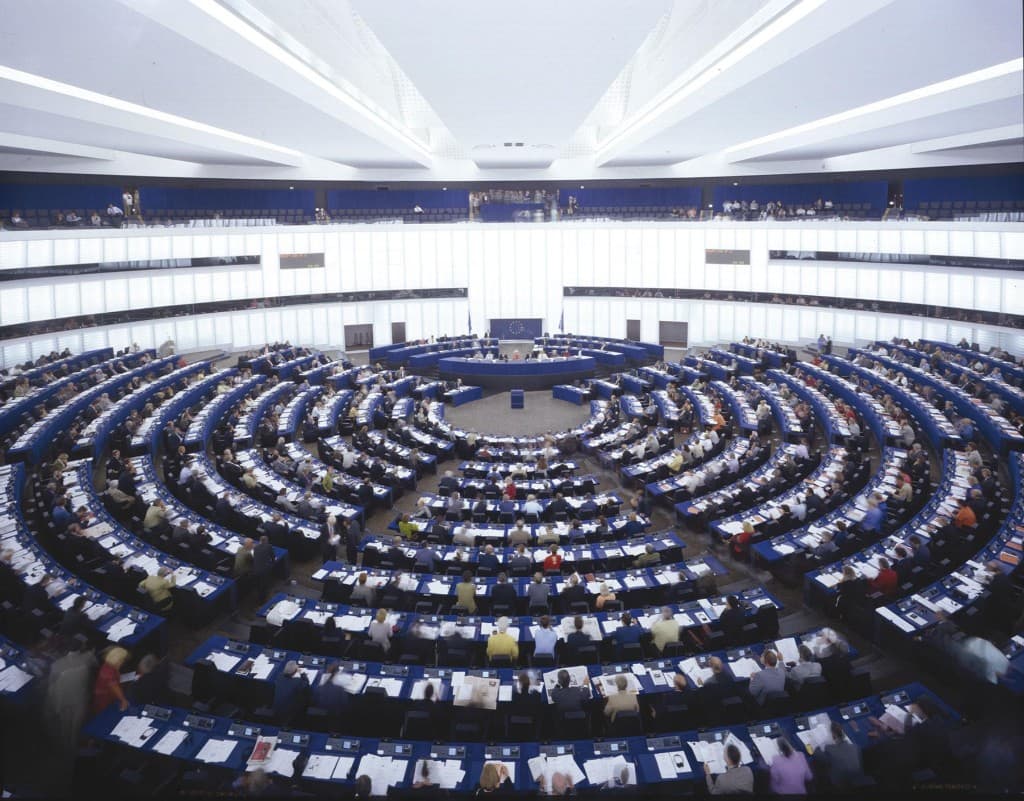
Over the years, parts of the United Nations system—Secretariat officials, special procedures, treaty bodies—have delivered commemorative remarks or used language evoking the Armenian Genocide within broader genocide-prevention mandates. Human-rights NGOs archive those statements for education campaigns. None of this replaces international criminal jurispridence where it exists, but it records evolving moral and political standards.
What responsible news coverage adds
When a headline claims “the UN recognizes…,” check which body is meant: General Assembly, Human Rights Council, an independent expert, or a subsidiary organ—each has different roles. Strong stories link the official PDF; weaker chains paraphrase other outlets without sources. Prefer primary documents or full transcripts.
Relationship to historians’ work
Human-rights forums do not deliver academic jury verdicts: they articulate principles, remembrance, and prevention. Historians keep refining archival detail; diplomats negotiate political consensus. Keeping the spheres distinct curtails both denial and category mistakes.