
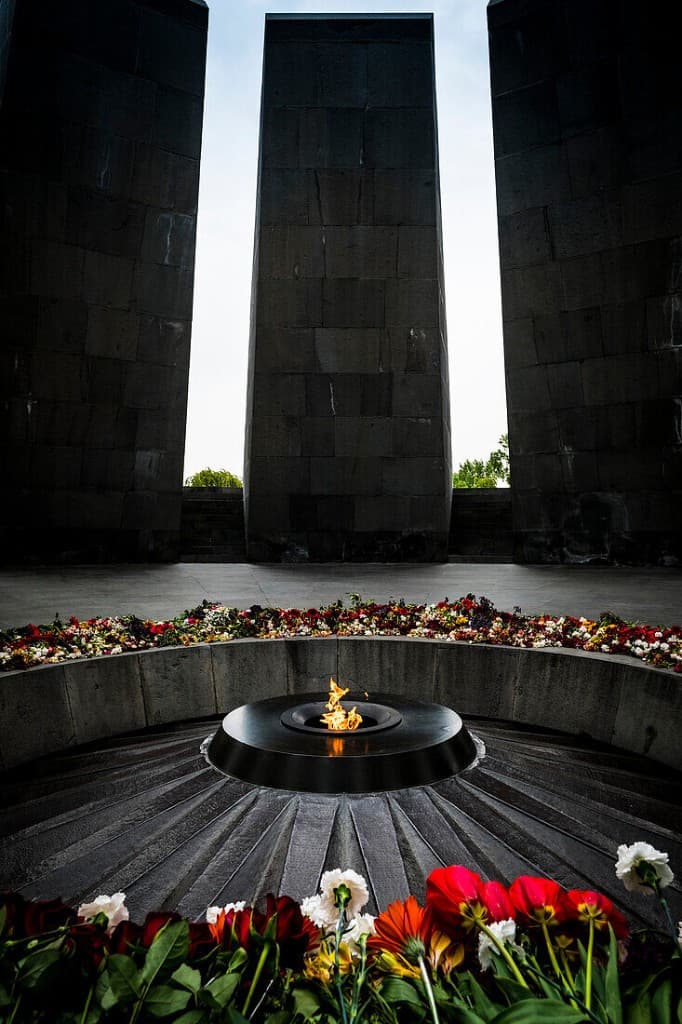
Spain has developed a public vocabulary on democratic memory, exhumations, education, and human rights. That context helps explain why the Armenian Genocide of 1915 appears in municipal motions, parliamentary questions, and news reporting—not as an exotic topic, but as part of a European ecosystem of historical truth and coexistence.
Institutions and democratic tempo
In democracies, parliaments and city councils debate identities, victims, and responsibilities at different speeds. When a municipal assembly adopts a statement on the Armenian Genocide, it is not closing scholarly debate—which continues in universities and archives—but positioning the polity within shared human-rights expectations across the European Union.
Observers in Spain may notice methodological parallels—not moral equations—with other national memories: verified sources, cautious use of numbers, and respect for victims as a guiding principle.
Media, schools, and the digital sphere
Newsrooms play a delicate role: they can foreground archives and expert voices, or recycle stereotypes and clickbait. Secondary and higher education can rely on curated bibliographies—like those on this site—to introduce 1915 without reducing it to a slogan.
On social media, polarization fuels denial or caricature. Informed citizens compare viral threads to reference books and dated official resolutions, ensuring legitimate emotion does not replace evidence.
Recognition without campaign noise
Public recognition of the Armenian Genocide does not require aggressive tone: it can rest on international law, history, and pedagogy. Cultural institutions—museums, libraries, Armenian community centers—often supply the documentary tone that balances debate.
For further reading, link this article to “What historical recognition means in Europe” and to “Armenia and Spain,” where we outline associational and cultural presence in the country.
Conclusion
Spanish democracy has legal, educational, and media tools to integrate memory of the Armenian Genocide into a sober public narrative. The aim is not confrontation between peoples, but consistency between human-rights policy and evidence-based history.