
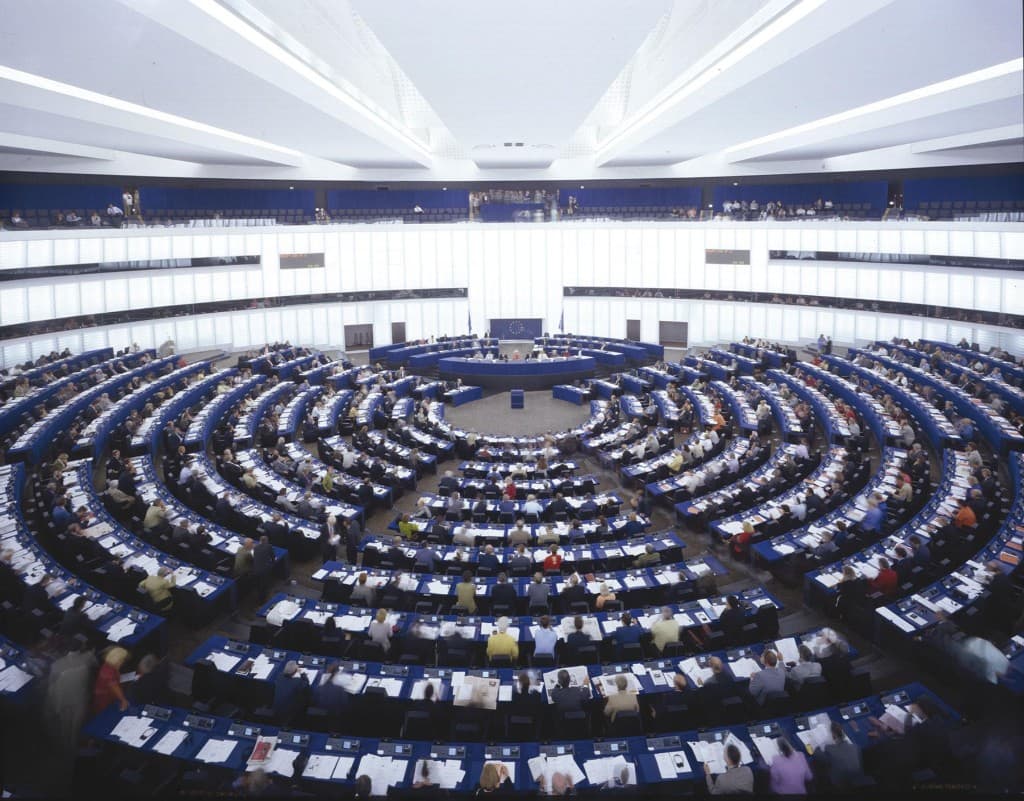
Memory of the Armenian Genocide moves through many democratic channels at once: national parliaments, the European Parliament, city councils, education ministries, museums, and libraries. None replaces professional historians, but each shapes civic expectations.
The European Parliament as a normative loudspeaker
Around the 2015 centenary, the European Parliament adopted texts condemning denial and encouraging broader acknowledgement. These resolutions belong to the EU’s human-rights heritage but do not force every member state to mirror identical foreign-policy wording.
Municipal and regional bodies
In Spain and elsewhere, councils pass solidarity- and rights-based motions. Their value is pedagogical and symbolic; read them alongside state policy and scholarly history.
Schools and media literacy
The best antidote to polarization is teaching students to compare archives, dates, and authors. Teachers can pair timelines and maps with short primary excerpts from 1915-era consular reporting before jumping to present-day politics.
Conclusion
Europe does not have one official voice on memory, but a constellation of actors. Understanding that architecture reduces both cynicism and oversimplification.