
Headlines often blur three different things: (1) a parliamentary label; (2) a national statute of recognition; (3) a criminal ban on denial. Conflating them misleads the public. This essay offers a compact map for classrooms and civic debate.
France: recognition yes, penal route blocked
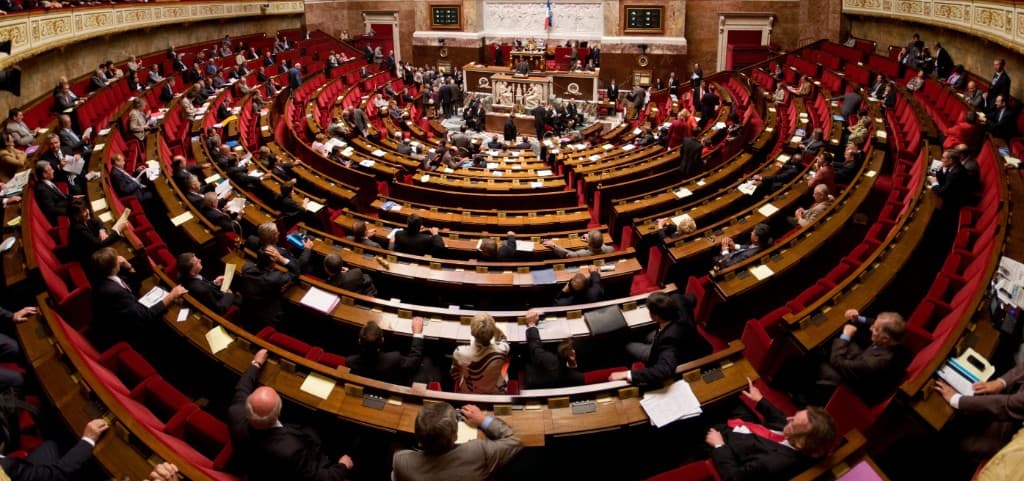
France adopted a 2001 law recognizing the Armenian Genocide (Légifrance, Law 2001-70). Yet the Constitutional Council held unconstitutional a statute punishing denial of legally recognized genocides (2012) and struck down another penal route in 2017. Pedagogical takeaway: French legislative recognition did not produce the stable criminal regime sometimes assumed in shorthand debate.
Switzerland and the European Court of Human Rights
Criminal conviction of Doğu Perinçek for denying the Armenian Genocide reached the ECtHR Grand Chamber (2015). The case illustrates tension between victim dignity and freedom of expression within the Council of Europe. It does not settle every national dilemma, but it is core reading in human-rights courses.
What to bring into public debate
- Read the instrument type: resolution, statute, judgment.
- Do not assume a single European penal policy on denial.
- Pair legal sources with academic history.
See our “Recognition and laws” page for an illustrative table and links to official sources.