
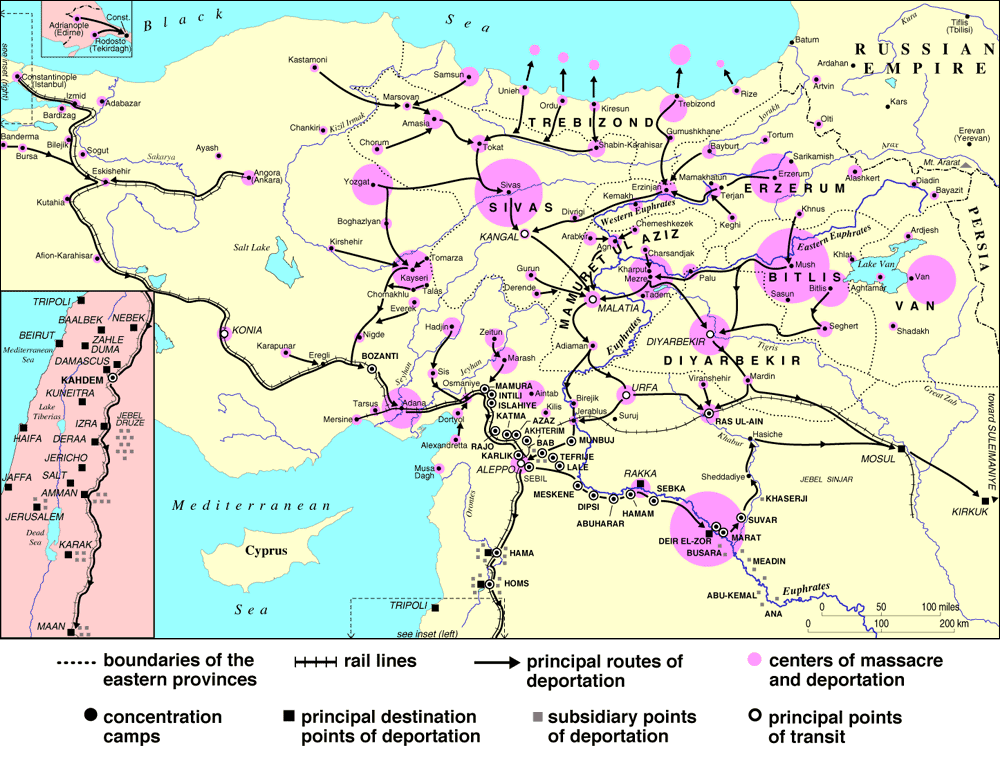
Teaching the Armenian Genocide requires preparation, careful materials, and a respectful classroom climate that balances historical accuracy with emotional safety—especially when students have family ties to communities affected by mass violence. These are general guidelines; each school should adapt them to local regulations and contexts.
Realistic learning goals
Clarify what students should understand: the difference between war and policies targeting a civilian group; basic Ottoman chronology in World War I; the later legal meaning of “genocide”; and how historians use primary and secondary sources. Avoid slogans; emphasize evidence and guided inquiry.
History and citizenship standards often stress evidence, context, and historical empathy. The Armenian Genocide offers concrete entry points through diplomatic documents, maps, selected testimonies, and responsible popular scholarship.
Emotional safety and student diversity
Students may have varied identities linked to Armenia, Turkey, or other communities. Ground discussion in sources and classroom norms. Avoid graphic imagery; the topic’s gravity does not require sensational visuals.
Coordinate with counseling staff if needed, and communicate with families when appropriate—especially in cross-curricular human-rights projects. Address denial with evidence, not personal confrontation.
A suggested teaching sequence
- Contextualize the Ottoman Empire and WWI with maps and timelines.
- Introduce “genocide” via the 1948 Convention, clarifying retrospective application.
- Work with a short primary source and guided questions.
- Close by discussing remembrance and recognition in Europe today, using reliable news sources.
Materials to start from
See our resources page for reference works such as Balakian’s The Burning Tigris, Akçam’s A Shameful Act, and Suny’s They Can Live in the Desert but Nowhere Else. For documentaries, prioritize productions grounded in archives and expert interviews.
Assessment and extensions
Use short essays that reward evidence-based argument rather than memorization. Optional projects might include local expert talks, library research, or analysis of parliamentary debates on recognition. The aim is media-literate citizenship.