
Spain and recognition
This page explains why the Armenian Genocide appears in Spanish public debate, how European institutions shape the conversation, and why recognition matters in democratic memory culture. Spanish version: España y el reconocimiento.
What Spain has and has not done
Spain participates in European discussions on remembrance and human rights, but this site does not present a single, nationwide parliamentary recognition law equivalent to the French 2001 statute. In Spain, recognition has more often appeared through regional parliaments, municipalities, public commemorations, and civil-society initiatives.
Always verify dated official texts rather than relying on social-media summaries.
Democratic memory in Spain
Spain’s own debates on twentieth-century history—laws, museums, exhumations, curricula—help audiences see why Armenian communities and allies ask institutions to acknowledge 1915 with clarity and respect for victims, without collapsing different victim groups into one story.
European context
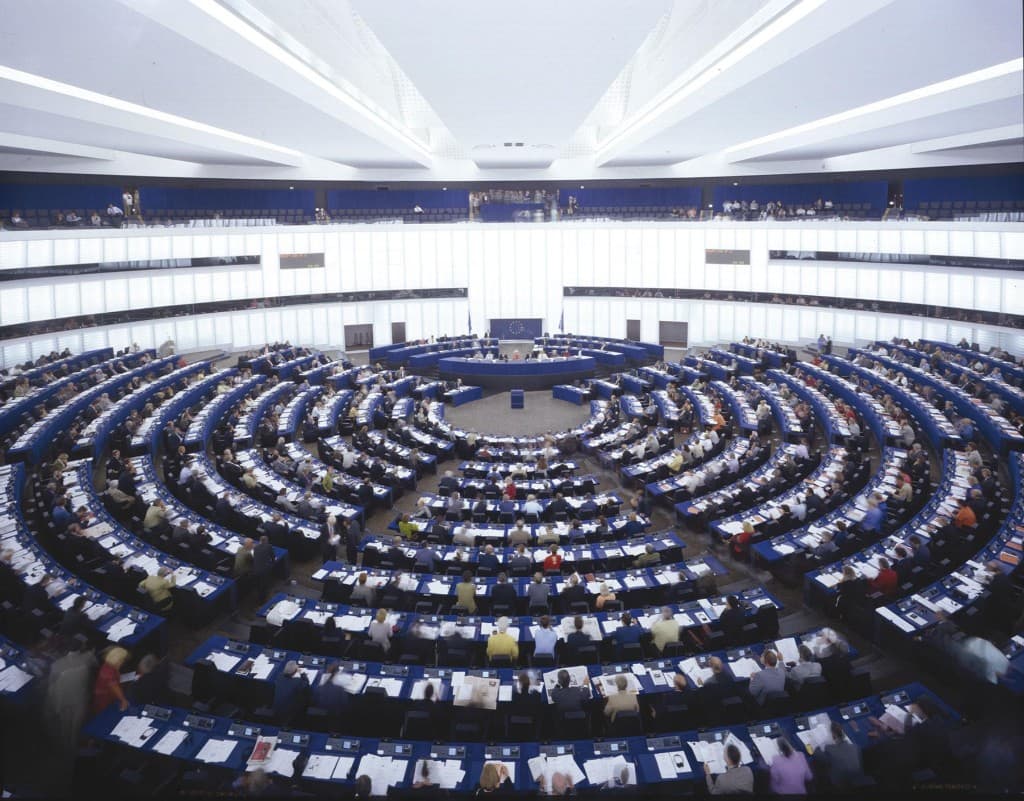
In 2015 the European Parliament adopted a centenary resolution on the Armenian Genocide that condemns denial efforts and encourages broader acknowledgement. The authoritative text is on EUR-Lex. Such texts shape norms and expectations but do not replace each member state’s foreign policy.
Three levels (simplified)
- France: national recognition by statute (2001).
- European Parliament: symbolic institutional framework.
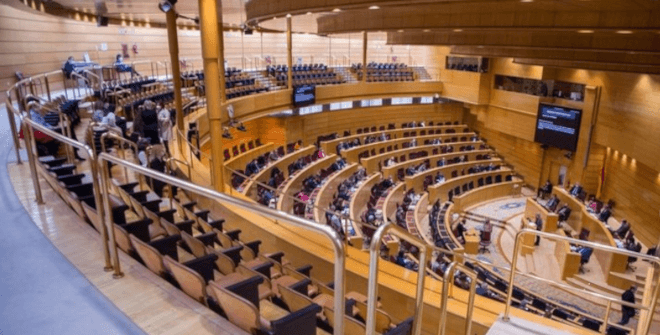
- Spain: decentralized discussion through regional, municipal, and civic channels (see Senate photograph above for the national chamber).
Why recognition matters in education and public life
Recognition supports human-rights education, archives, and a shared vocabulary against denial and discrimination. Strong public conversation relies on checkable sources and empathy with families affected in 1915—not on slogans alone.
Why the issue surfaces in Spain today
In Spain, the topic emerges through democratic-memory culture, Armenian community life (see Armenia and Spain), educational initiatives, municipal motions, and wider European debates on genocide, denial, and rights.
Read next
- Recognition and laws — resolutions, France/Switzerland, and the full optional MFA catalogue.
- Armenia and Spain — parishes, cities, April 24, associations.