
Armenia and Spain
Armenians in Spain are not an abstract idea: they gather in parishes and associations, mark April 24, and join wider debates on rights and memory. This page offers a practical overview rather than a full sociological study. Spanish version: Armenia y España.
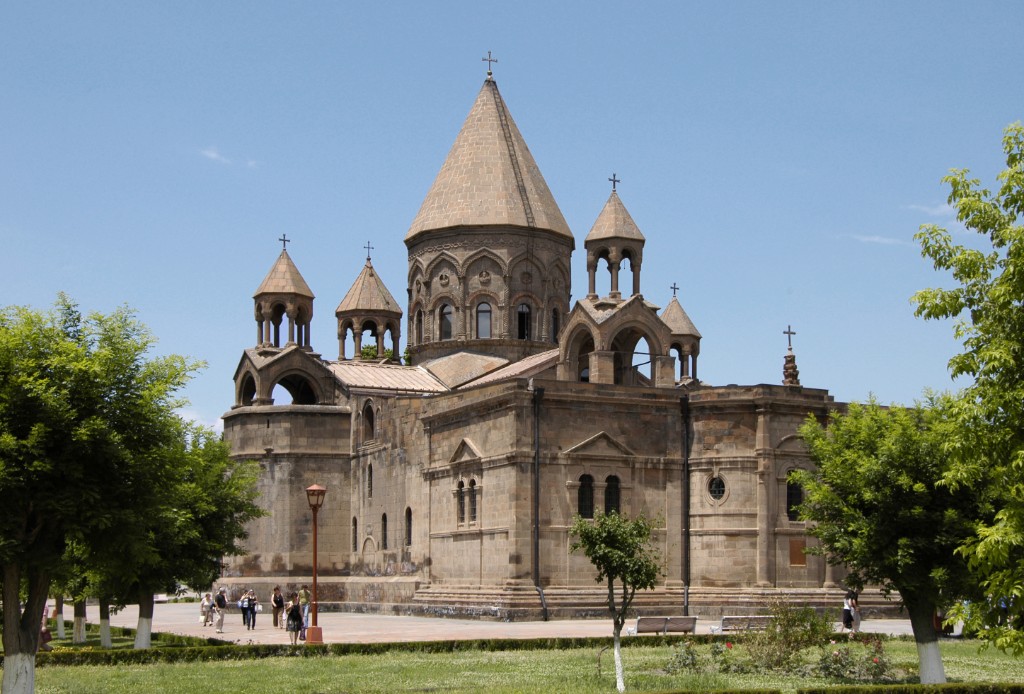
Key anchors in Spain
- Armenian Apostolic pastoral service officially counted in Spain from 2009 (regional church archive).
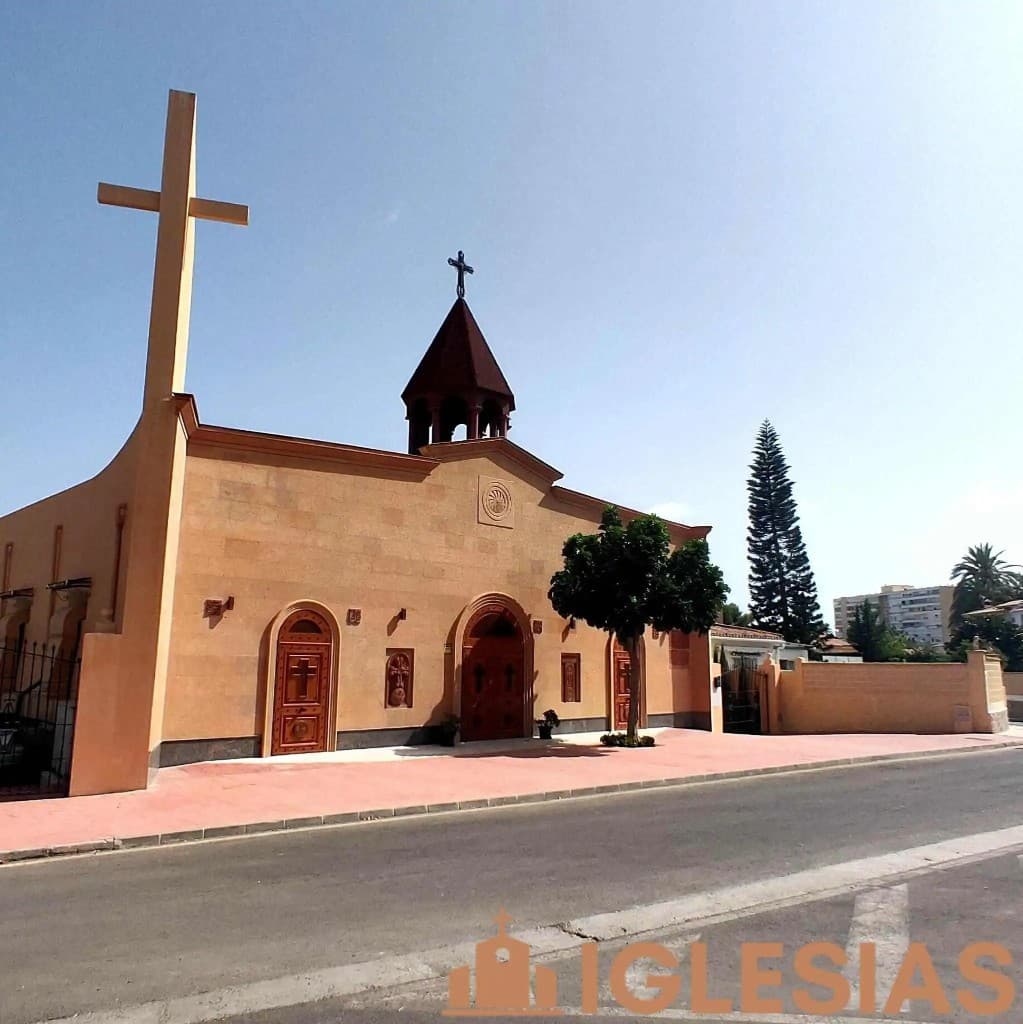
- Church materials name Armenian settlement in Madrid, Barcelona, Valencia, Alicante, Málaga, and Arnedo; Calonge often appears in institutional narratives as an early parish project.
- April 24 commemorations, cultural events, and church services help bring remembrance into Spanish public life alongside schools and municipalities.
Religious heritage and church life
Shared liturgy and symbols connect Spain-based communities with the mother church in Armenia.
Parish life may use shared chapels, occasional services, or ecumenical arrangements depending on the city. That religious rhythm carries memory of 1915 and anchors community calendars for families who may not attend political events.
About Armenians gives wider historical context before you read What happened in 1915.
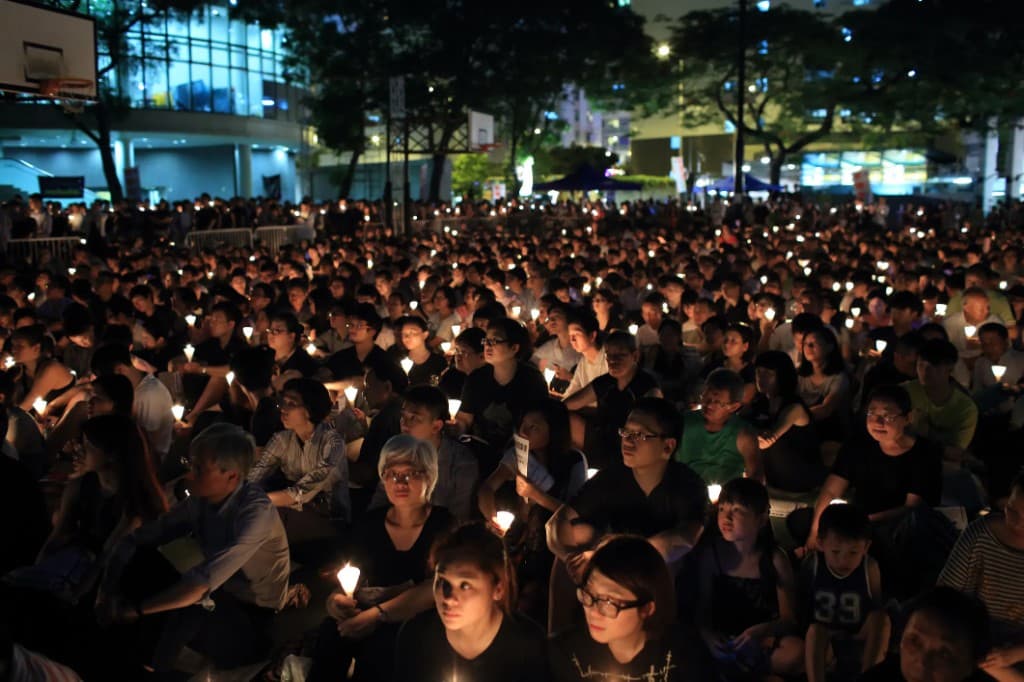
Armenian communities in Spain
Residents of Armenian origin include descendants of genocide survivors, later migrants, and professionals trained in Armenia or elsewhere. Naturalization and dual citizenship are common in the European diaspora—without turning personal stories into statistics here.
Associations and civic life
Cultural associations organize April 24 programmes, concerts, film screenings, and lectures. They sometimes partner with schools, history institutes, and human-rights groups so neighbors can engage beyond foreign headlines.
- Open commemorations with readings, music, or brief remarks by local officials.
- Mutual aid and language transmission for younger generations.
- European networks sharing teaching materials.
- Check association calendars and parish notices for confirmed dates.
Armenians in Spanish public life
In Spain, Armenian memory appears through church services, association calendars, cultural events, school talks, film screenings, and local commemorations. These activities often make the subject visible first at municipal or regional level, before it enters broader national debate.
Why Spaniards encounter this topic
Historical ties
Modest claims only.
Armenians took part in Mediterranean and European networks long before the twenty-first century. Spain’s own civil war and exile invited comparative reflection on violence and refuge—always with care not to equate distinct histories.
Today Armenia and Spain maintain normal diplomatic relations within European and multilateral frameworks. For current executive wording, use official foreign-ministry publications.
If you are in Spain and want to learn more
- Read Recognition and laws so you can tell resolutions from criminal codes.
- Look for April 24 public events in your city or region.
- Pair local reporting with books in Resources.