
In 1915, the Ottoman government began the systematic deportation and mass killing of Armenians.
Between 1 and 1.5 million Armenians were killed or died during deportations.
Entire communities were erased across Anatolia.
The same broader era of violence and forced displacement under Ottoman rule also targeted other Christian populations. Order-of-magnitude estimates often cited in scholarship include roughly one million Greeks and 750,000 Assyrians dead or uprooted; figures, date ranges, and definitions vary by study.
Key facts
Factual summary to guide reading. Figures are presented with scholarly caution; see What happened in 1915 and Resources to go deeper.
Essential chronology
1914: the Ottoman Empire enters the Great War. 1915: arrests of Armenian notables and start of mass deportations. 1915–1916: displacement toward Syria and deaths in extreme conditions. 1918–1923: Turkish War of Independence and consolidation of the new state.
Victims and demographic research
Historians reconstruct numbers using Ottoman censuses, consular records, survivor estimates, and regional studies. Exact figures remain debated; the broad consensus focuses on mass scale and political intent.
War and domestic politics
Military mobilization, fear of desertion, and stereotyping of Armenians as “disloyal”—applied to whole communities—were part of the official climate preceding deportation orders.
Recognition and global memory
Dozens of states have formally recognized the genocide; bodies such as the European Parliament have adopted texts supporting remembrance and education. These positions draw on academic research.
Human impact
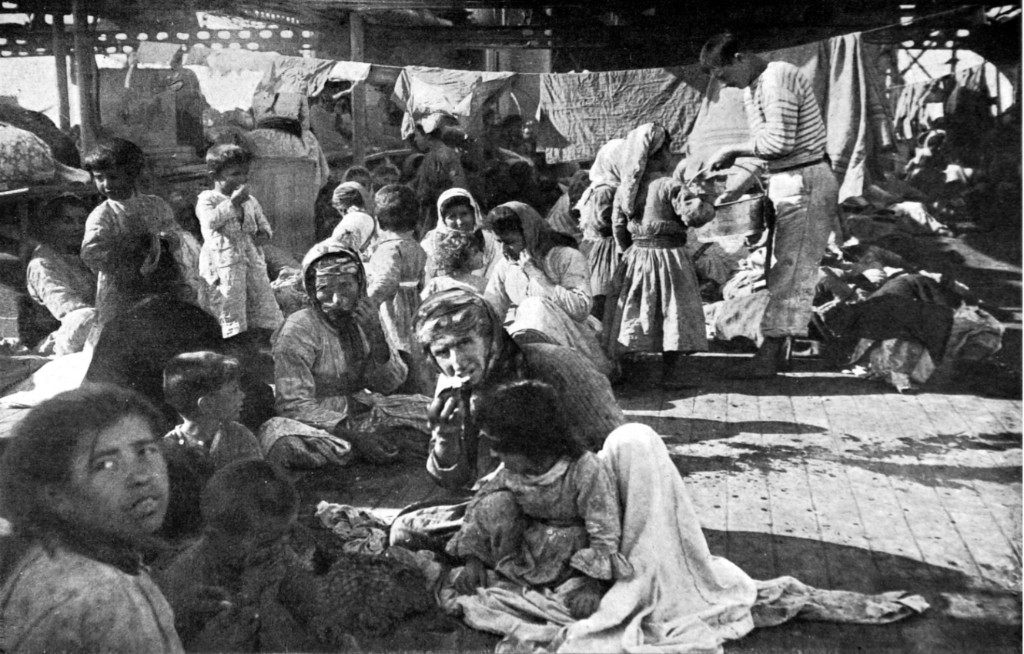
Between 1 and 1.5 million Armenians killed. In the same historical frame, scholarship often cites on the order of one million Greeks and 750,000 Assyrians dead or displaced (figures debated). Hundreds of thousands displaced. Thousands of villages destroyed.
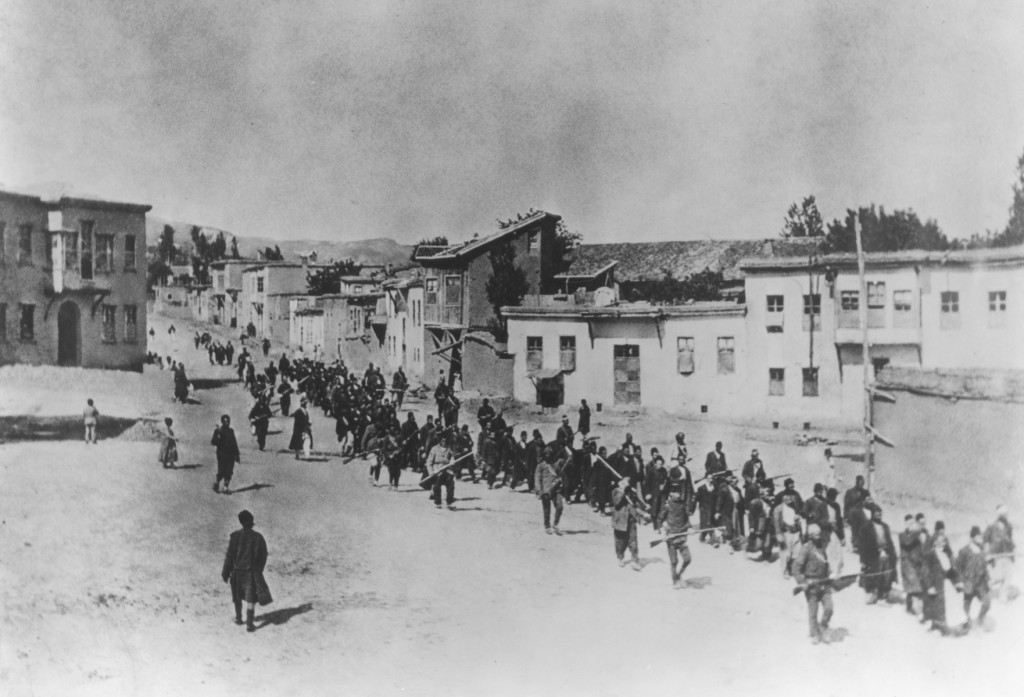
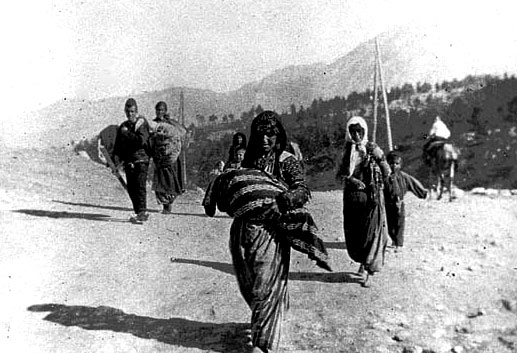
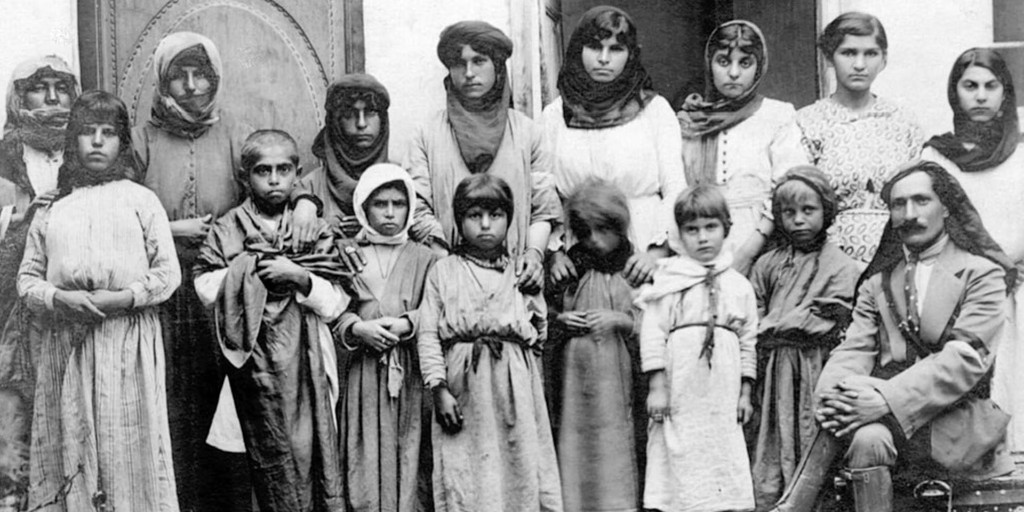
Archival photographs (c. 1915)
Contemporary documentary images, presented in a historical register without sensationalism. Each photo is fully visible in its frame (no artificial cropping) to support teaching on forced displacement and uprooting.
Memorial and collective mourning
Public memory is also architecture: names, walls, annual rituals.
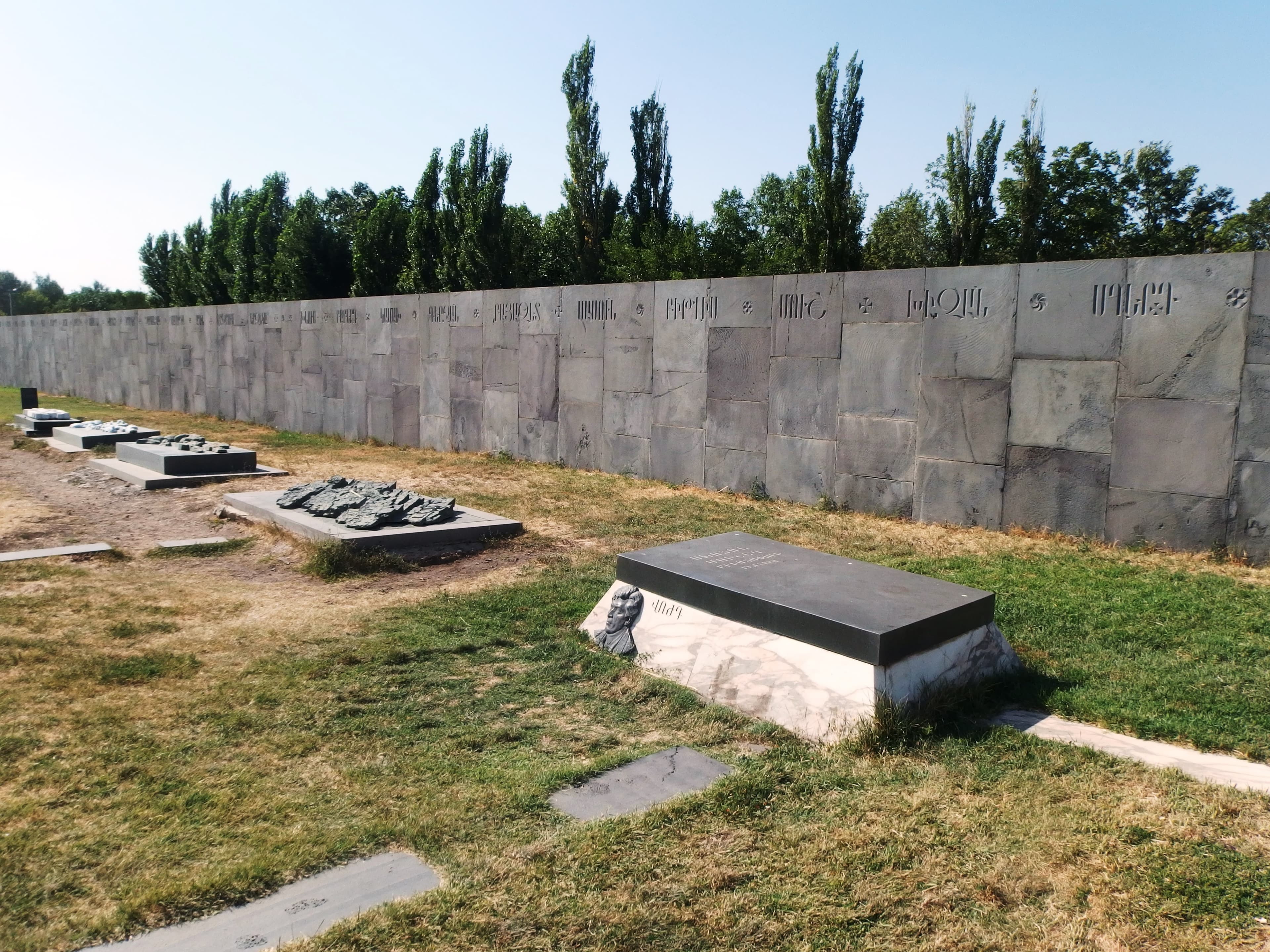

Historians cross-check telegrams, depleted censuses, consular reports, and later testimony. A memorial does not replace the archive, but it shows how societies make collective grief legible in urban space.
Geographic context
Schematic map of the Ottoman Empire around 1900 (archival-style reference, not propaganda).
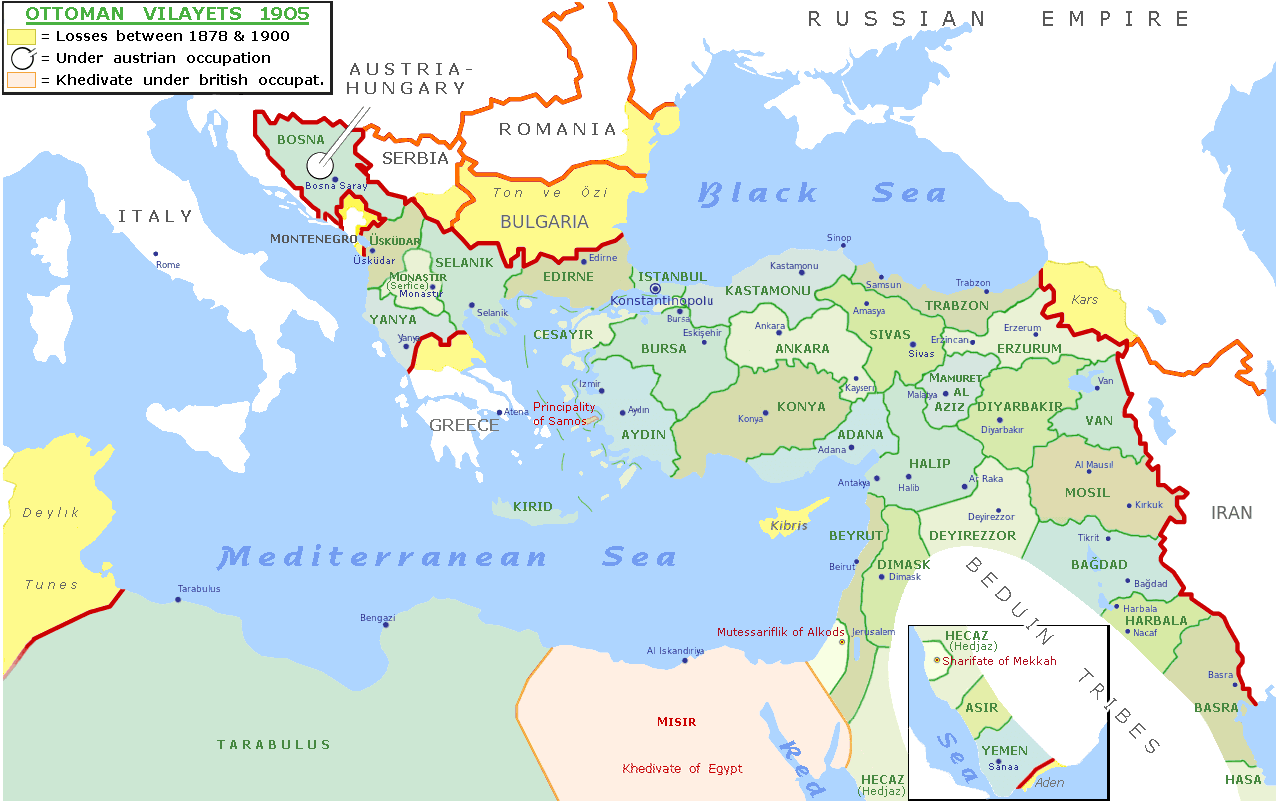

Placing Anatolia, Syria, and the Caucasus helps explain deportation routes and regions of dense Armenian life. Historical maps are approximations; modern borders differ from imperial frontlines at war.
For a respectful introduction to Armenian people and culture before 1915, see About Armenians.
How it happened
The genocide was not a sudden outbreak but an organized process carried out in stages.
- Arrests of intellectuals and community leaders (April 1915)
- Disarmament of Armenian soldiers in the Ottoman army
- Deportation orders targeting entire populations
- Forced marches toward the Syrian desert
- Mass killings, starvation, and exposure
Political and social background
An empire under strain
At the start of the twentieth century, many Armenians lived across the Ottoman Empire. Political tensions included demands for reform and autonomy, while the central state feared fragmentation in a multi-ethnic polity in crisis.
War as catalyst
World War I intensified insecurity and suspicion toward populations labeled “disloyal.” On that backdrop, state decisions led to the destruction of Armenian life across much of Anatolia.
Timeline (1915–1923)
1914
Entry into World War I
The Ottoman Empire joins the Central Powers. Political and military tension rises in Anatolia and other regions with Armenian populations.
April 1915
Arrests of Armenian intellectuals
Hundreds of Armenian leaders, writers, clergy, and community figures were arrested in Constantinople. This event is widely considered the beginning of the genocide.
1915–1916
Mass deportations
Authorities order the forced removal of much of the civilian Armenian population from Anatolia toward the Syrian desert. Many deportees died from starvation, disease, or were killed along the route.
1915–1918
War and imperial collapse
Military operations continue. Armenian communities face raids and policies later described by many parliaments as genocide.
1918–1923
Turkish War of Independence and new state
After Ottoman defeat, struggles for sovereignty continue. Violence against Armenian survivors persists in places. The Republic of Turkey is established in 1923.
Scholarship and sources
The history of the Armenian Genocide is written from thousands of fragments: a telegram, a consular report, a population register, a family letter.Researchers use Ottoman documents, diplomatic archives, press, survivor testimony, and demographic studies. Debates continue on details; the mainstream conclusion is intentional destruction of the Armenian population as a group. For concrete titles, see Resources.
Material heritage (cultural reference)
Khachkars are carved stone crosses and vegetal motifs; they embody Christian memory and Armenian folk art without sensational framing.
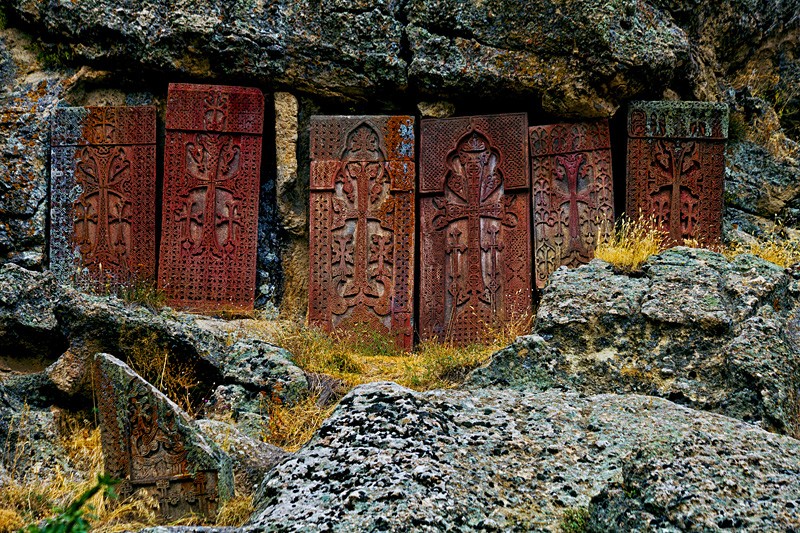
1915 is not only politics and demographics: it also involved uprooting communities that produced recognizable religious and artistic heritage. More cultural context appears on About Armenians.
For many survivors, the end of violence did not mean a return home.
After 1923
Survivors formed diaspora communities across Europe, the Middle East, and the Americas.
The Republic of Turkey inherited institutions and wartime debates. The Armenian diaspora preserved oral memory, liturgy, and mutual aid. Post-1945 international law offered vocabulary to describe past violence without replacing careful historical work.
Recognition in European parliaments is part of that transnational legacy. See Spain and recognition and the FAQ.