
Digital gallery
About Armenians
An introduction to the Armenian people—their history, culture, and identity—providing essential context to understand the events of 1915.
Before learning about the genocide, it is important to understand who Armenians are, where they come from, and what was lost. Spanish version: Sobre los armenios.
1. Who are Armenians?
A historical community of the South Caucasus and eastern Anatolia with long cultural continuity.
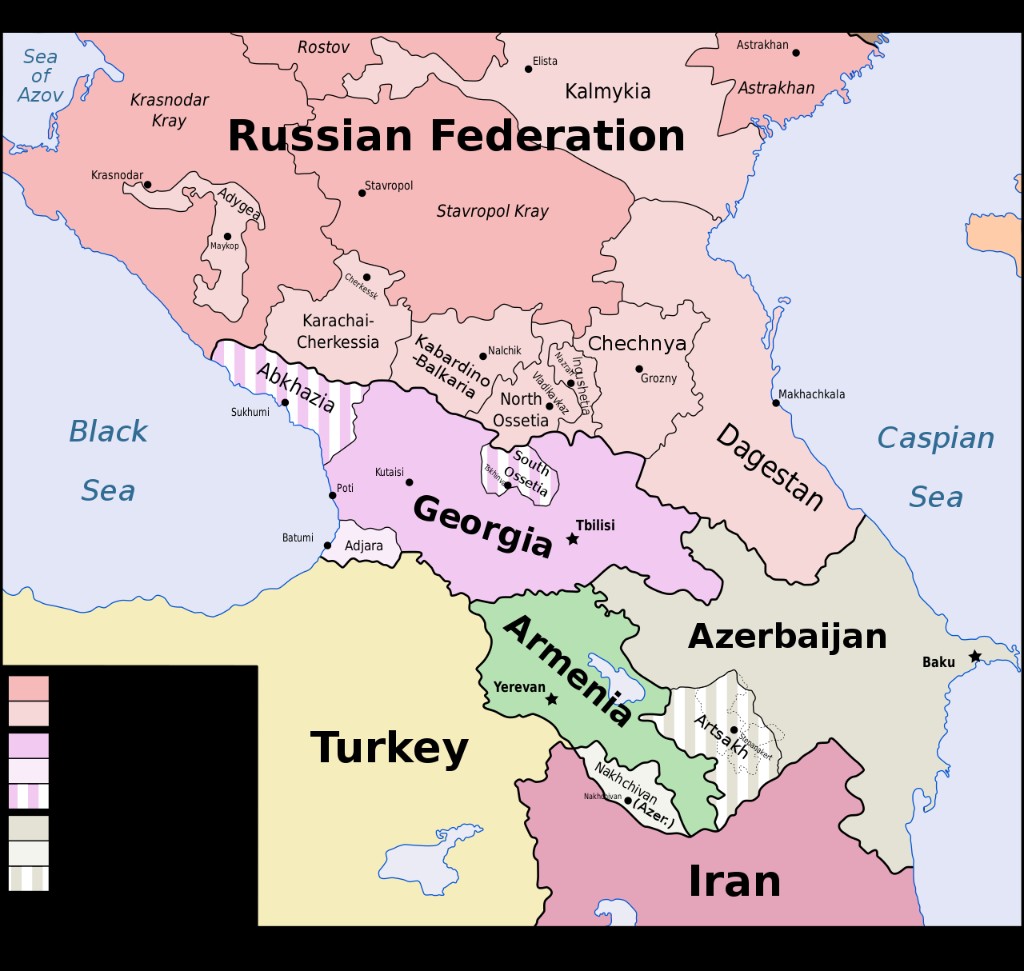
Armenians are one of the world's oldest continuous cultural communities, with roots in the South Caucasus and eastern Anatolia.
Armenians are a people with distinct language and institutions in a region shaped by trade routes and successive empires. Their story spans medieval kingdoms, life under imperial rule, and a global diaspora linked to the modern Republic of Armenia and to other Caucasus areas with long Armenian presence.
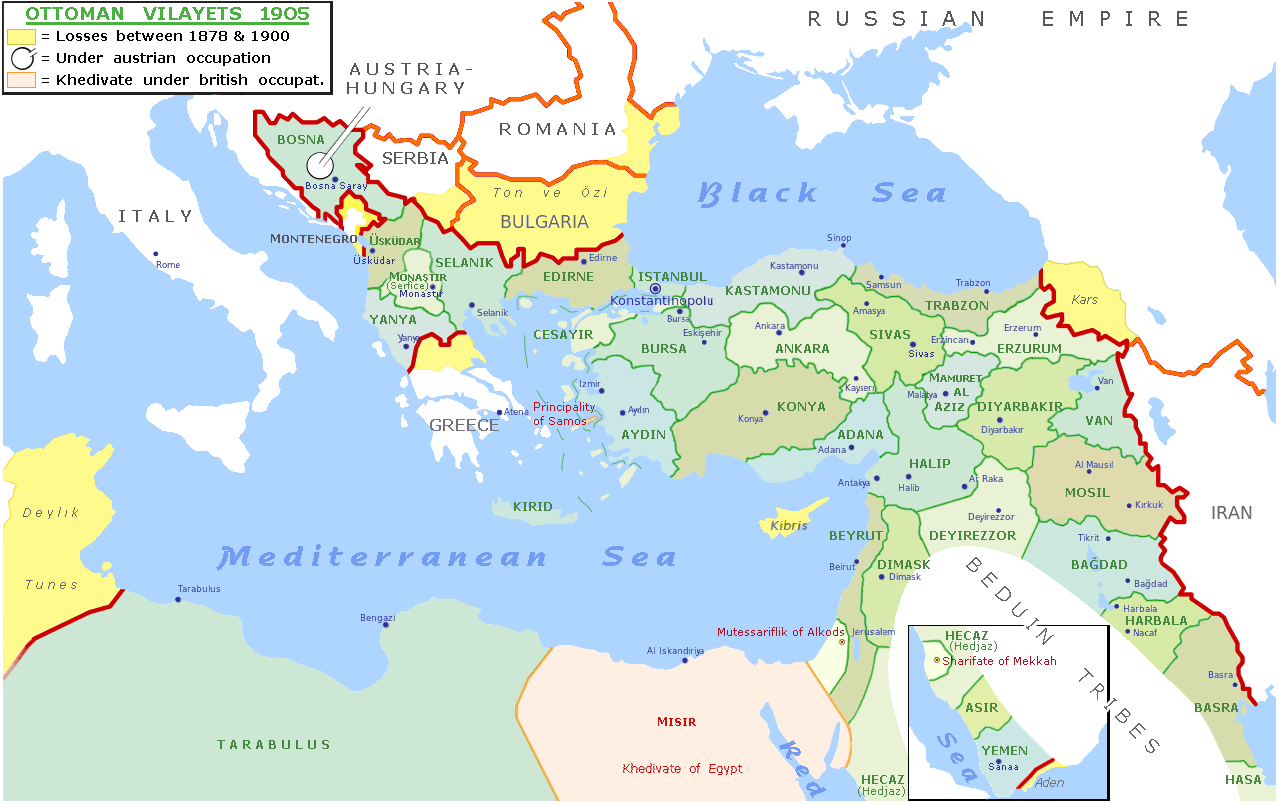
Seeing this continuity helps frame the 1915 genocide as a violent rupture within long demographic and cultural trajectories. For chronology, see What happened in 1915.
Geographic context

2. Ancient history
Urartu and regional heritage
In the first millennium BCE, Urartu flourished on the Armenian plateau with fortresses and cuneiform records. Scholars debate direct continuity with medieval Armenian identity, but the plateau is widely treated as a deep historical setting for later Armenian polities.
Kingdoms between empires
Armenian rulers later negotiated autonomy between Rome/Byzantium, Sasanian Iran, and later Turkic and Mongol powers—shaping plural dialects, trade networks, and adaptive politics.
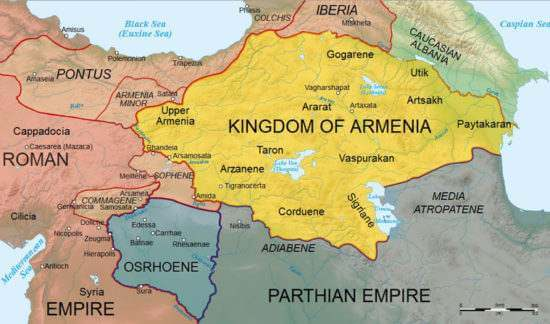
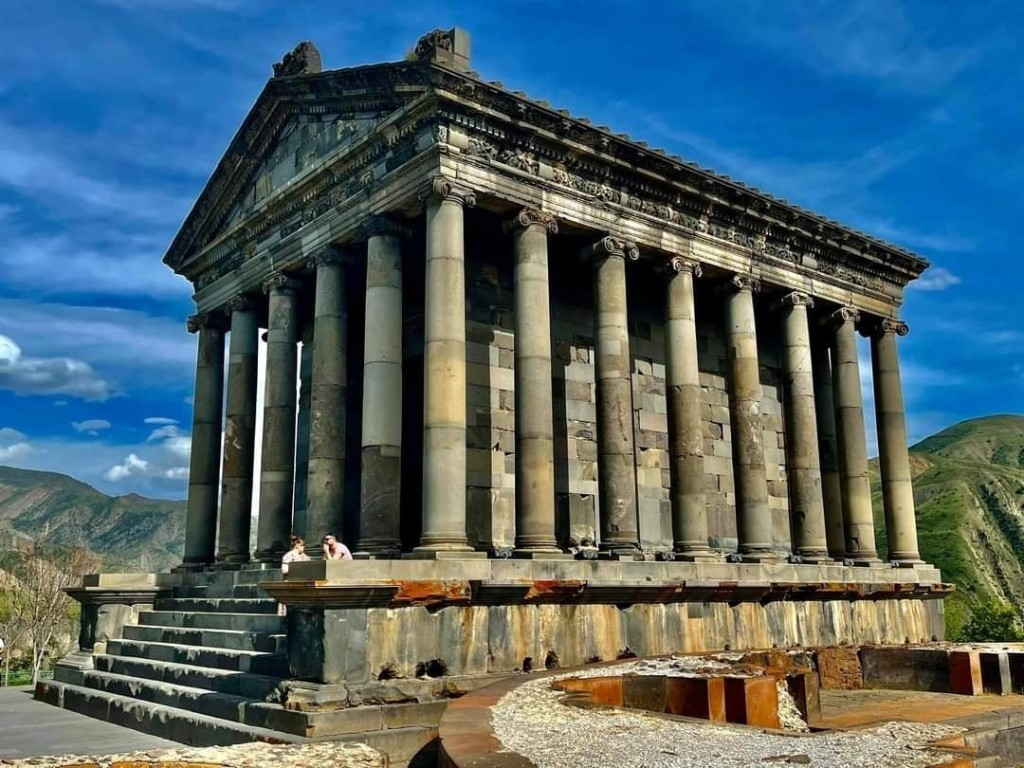
This long presence is why the events of 1915 are understood not only as loss of life, but also loss of historical homeland.
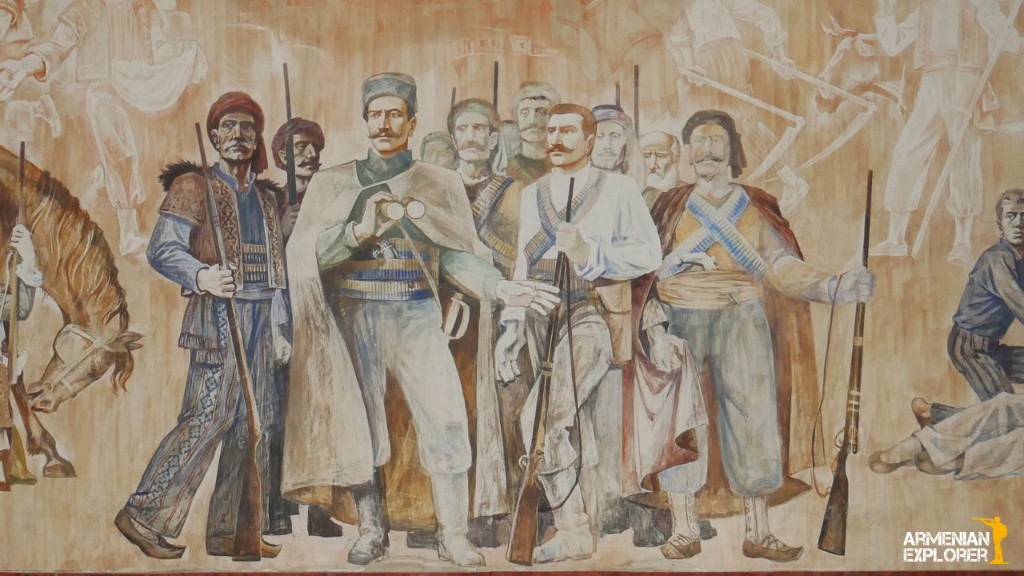
3. Christianity and public life
Armenian tradition dates public adoption of Christianity to 301 CE under King Tiridates III and Gregory the Illuminator. The Armenian Apostolic Church—autocephalous and Eastern-rite—shaped calendars, art, and education. The phrase “first Christian nation” is symbolic: it highlights early state adoption on the plateau, not exclusive primacy over every local Christianization.
Liturgical memory and song have carried communal mourning and intergenerational transmission across diaspora communities.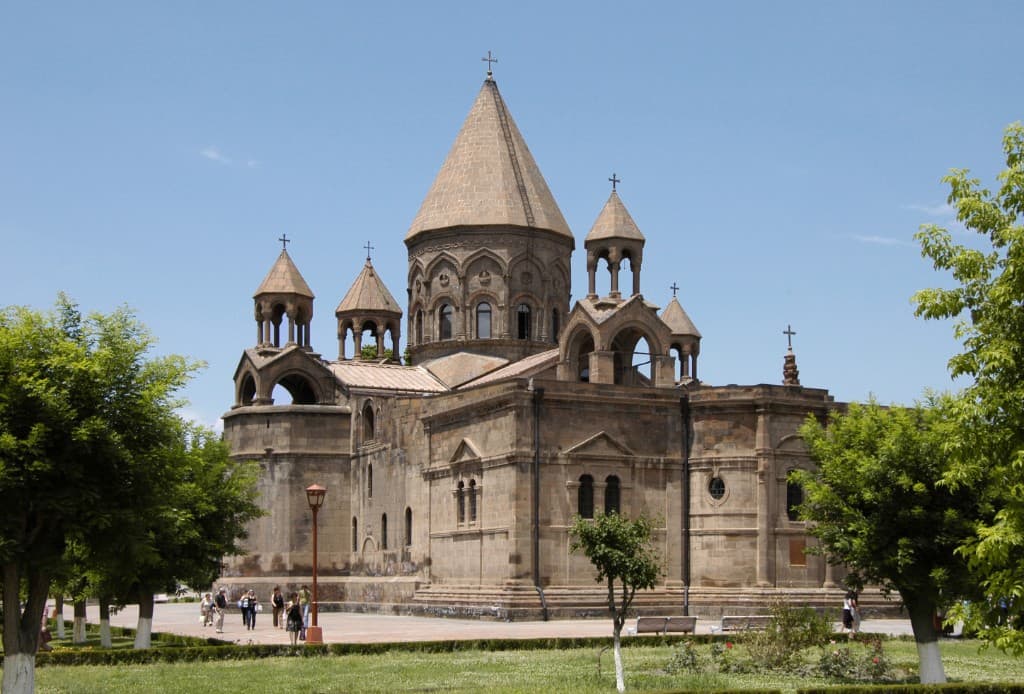
4. Language and alphabet
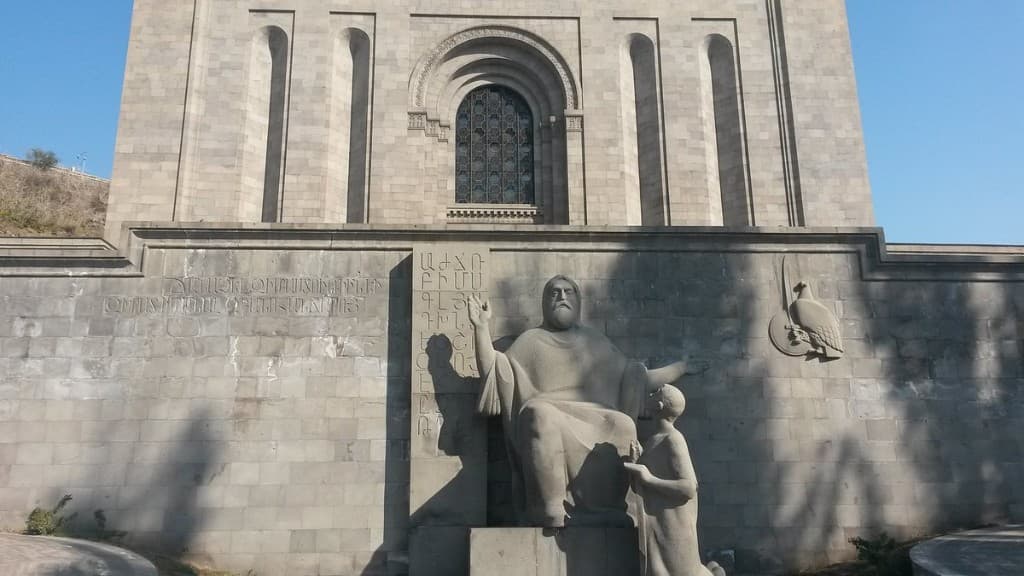
Armenian forms its own branch within Indo-European languages. The alphabet traditionally credited to Mesrop Mashtots in the fifth century, often cited symbolically as 405, standardized writing for scripture and scholarship. UNESCO has inscribed Armenian letter art as intangible cultural heritage—evidence that written culture is an identity vector, not decoration. Eastern and Western variants today reflect historical partition and migration.
Language and alphabet became key tools of survival, especially during periods without a state.
Monumental script and archives
The Mesrop Mashtots Institute in Yerevan preserves manuscripts and anchors philology—material proof of alphabet and literature as survival tools.
5. Culture
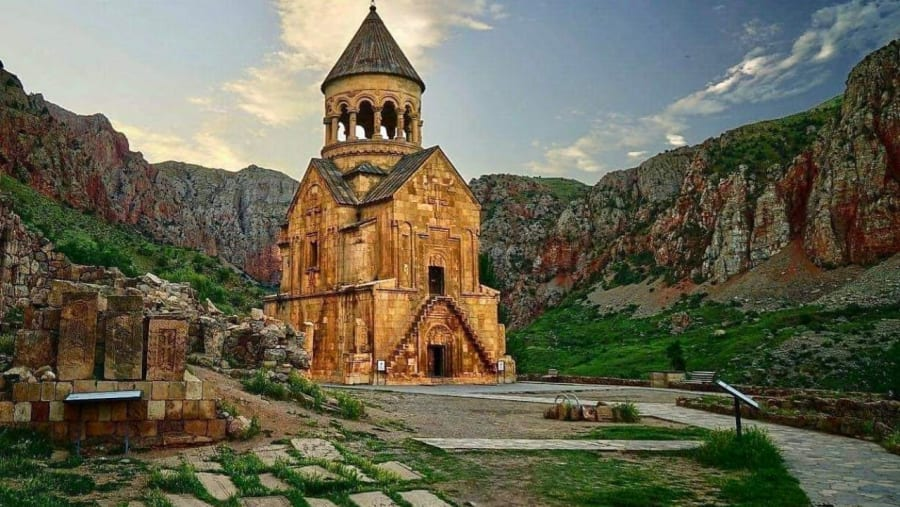
Church, architecture, khachkars
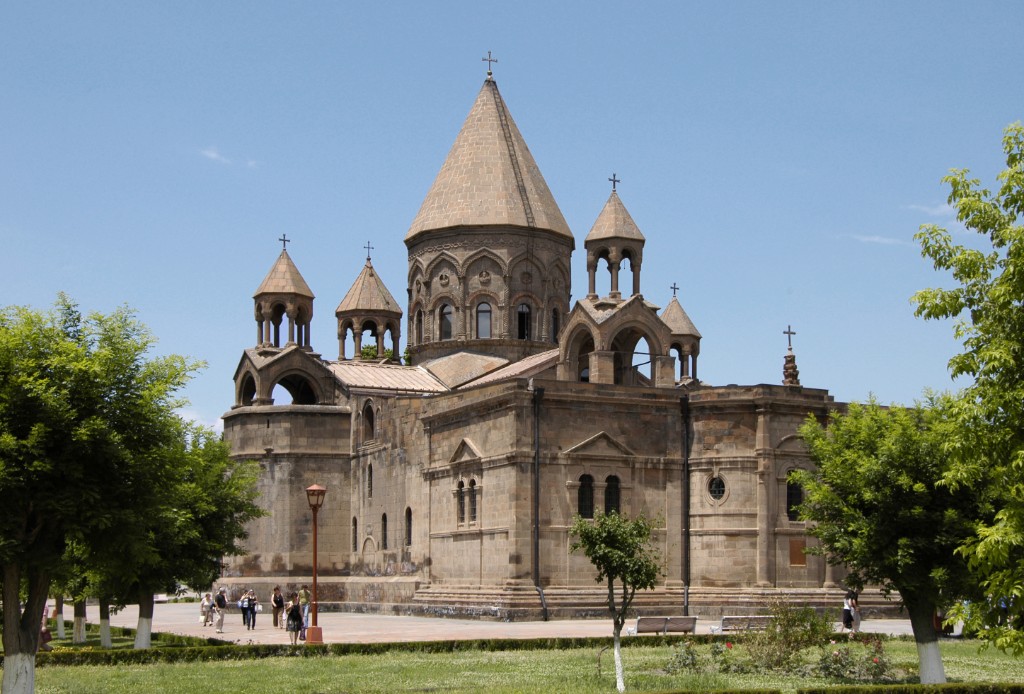
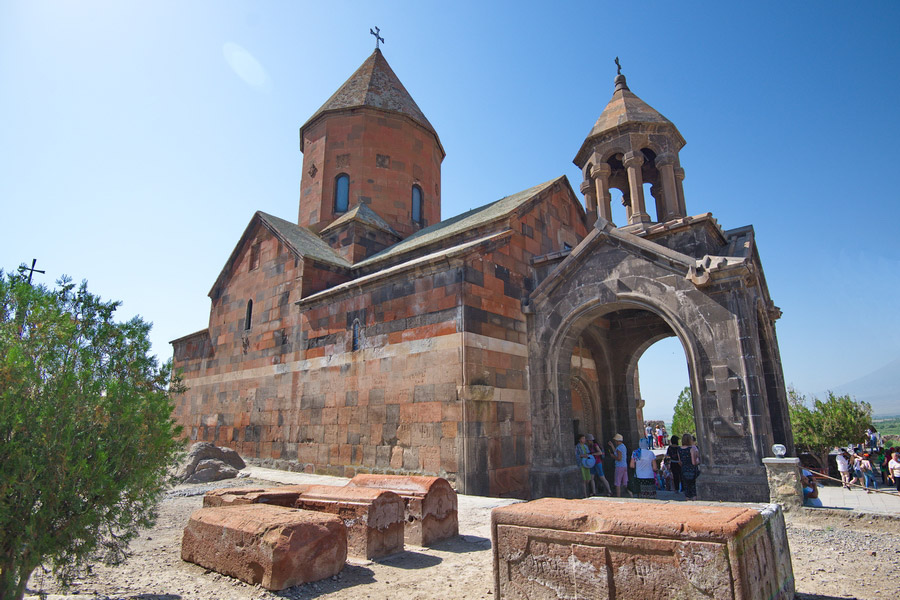
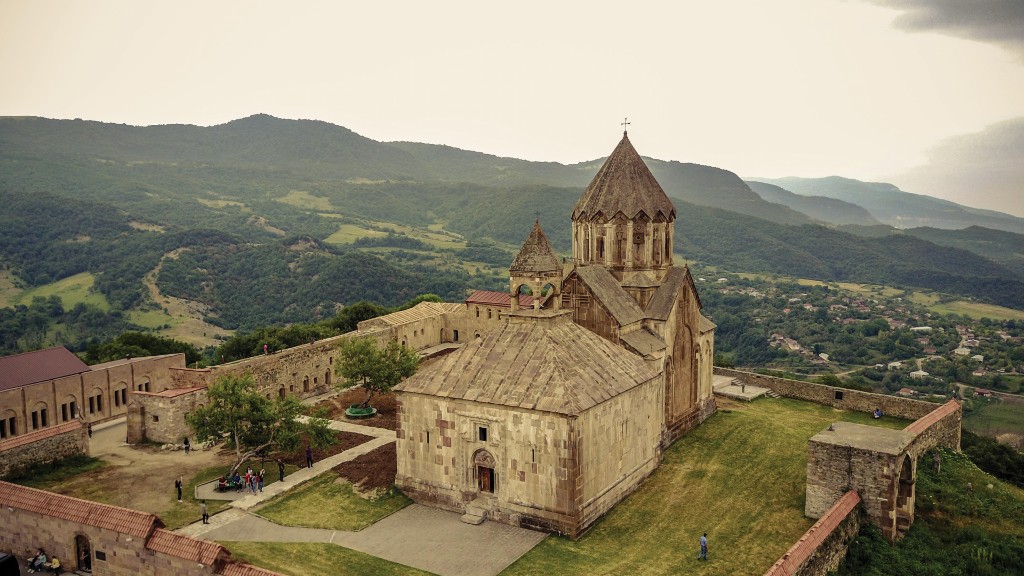
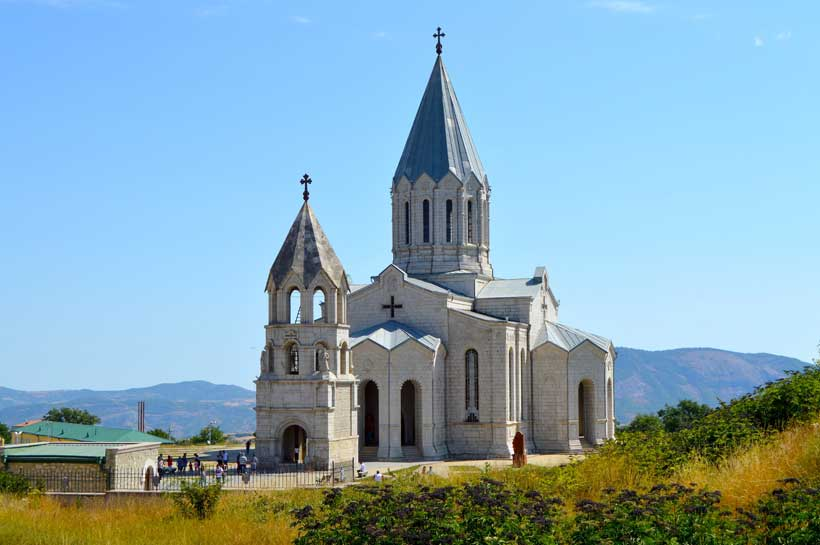
Conical domes, rock monasteries, and khachkars belong to UNESCO-recognized heritage. Cuisine, music, and modern literature and film continue that dialogue in secular as well as religious settings.
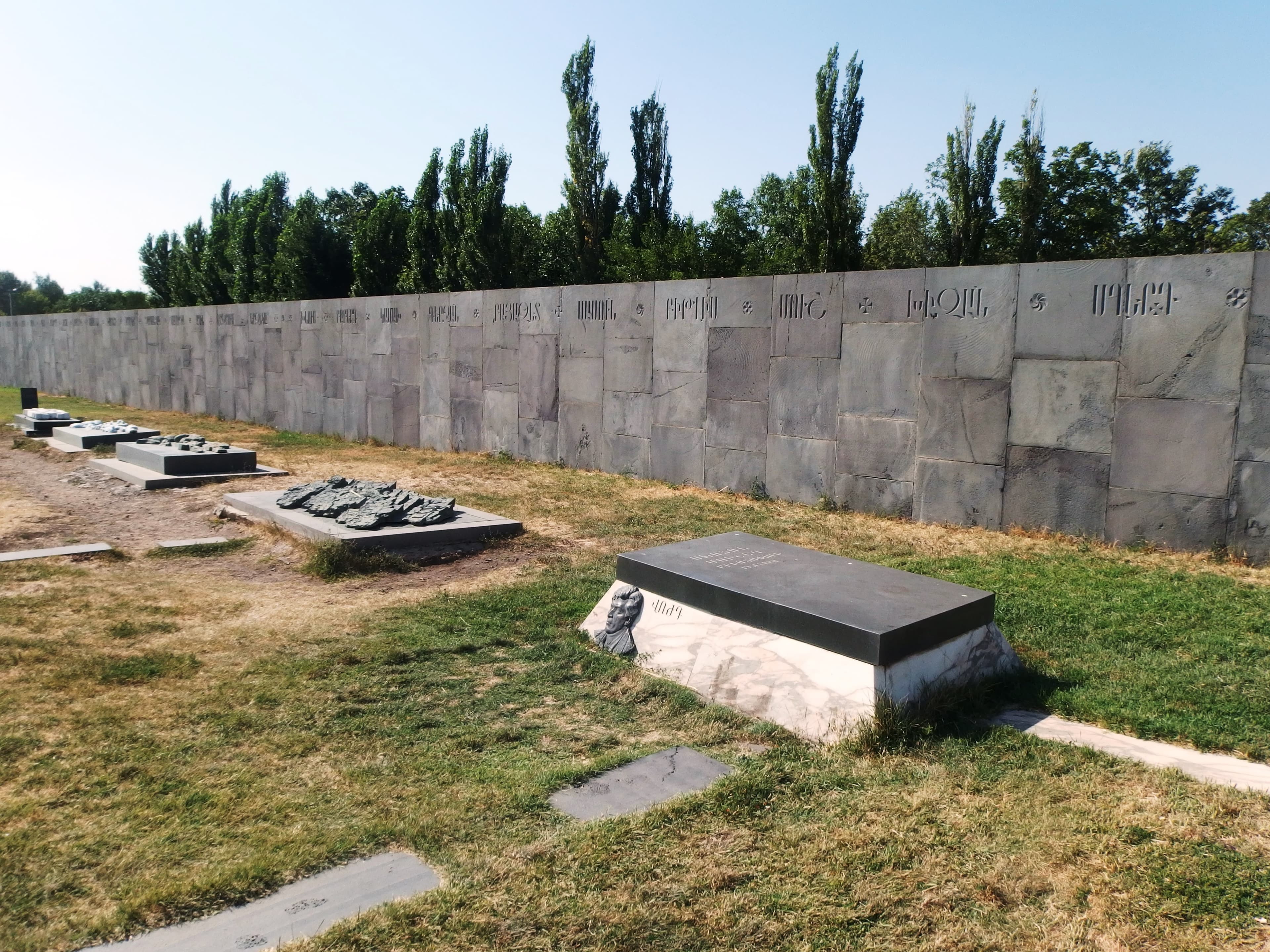
Much of this cultural heritage was destroyed, abandoned, or repurposed during and after the events of 1915.
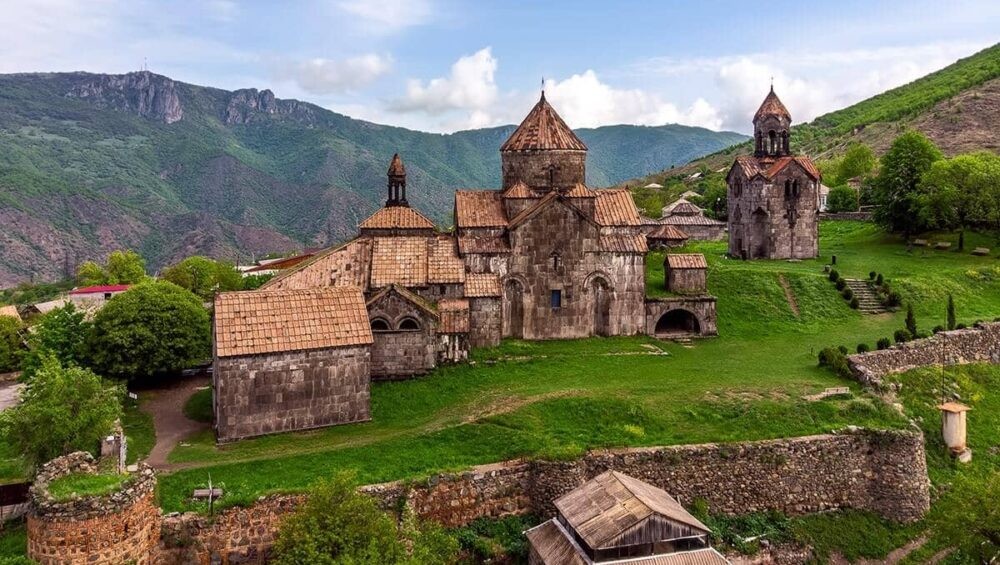
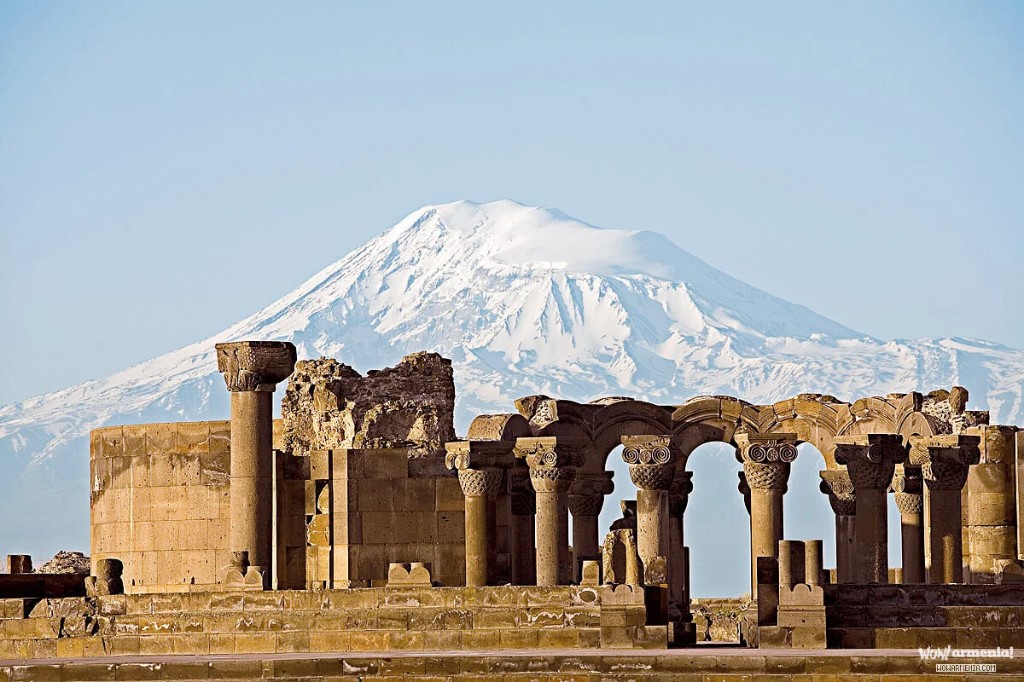
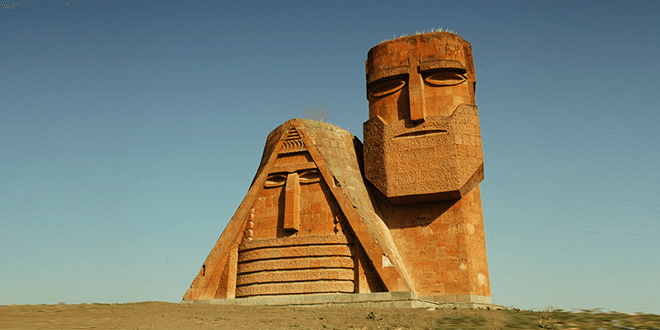
Further Armenian landmarks—from seventh-century ruins and pilgrimage monasteries to public sculpture and nineteenth-century cathedrals—show how architecture and landscape carry historical identity. Use the links in each caption for art-historical and geographic context.
6. Diaspora
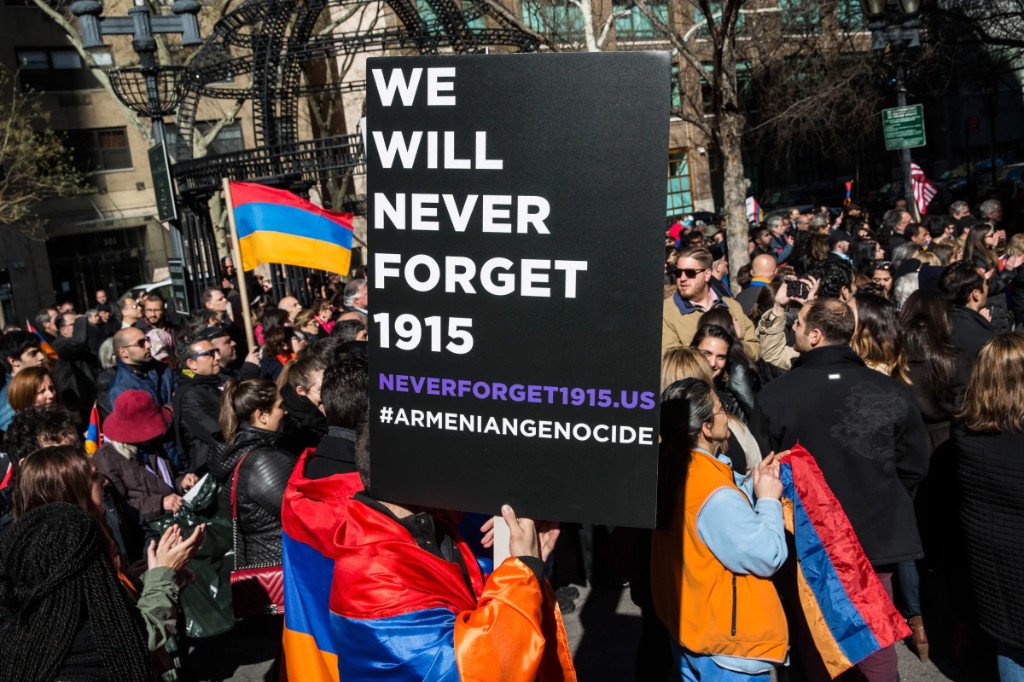
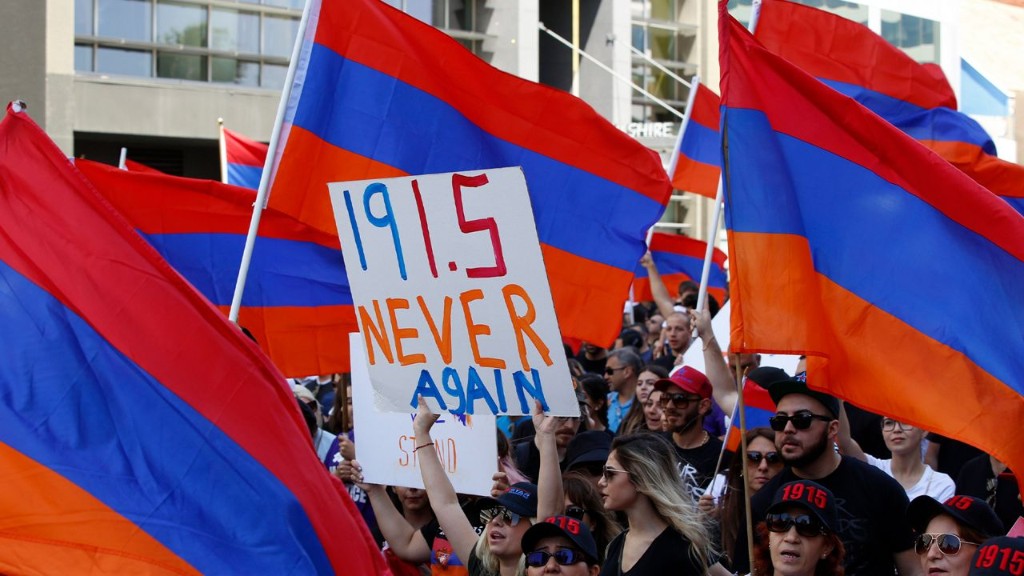
The Armenian diaspora emerged largely as a result of violence, displacement, and especially the 1915 genocide.
Today, millions of Armenians live outside Armenia—in the Middle East, Europe, the Americas, and beyond—maintaining identity through schools, churches, and cultural institutions.
Spain is part of this global network, with Armenian communities contributing to cultural and civic life. See Armenia and Spain.
7. Armenians today
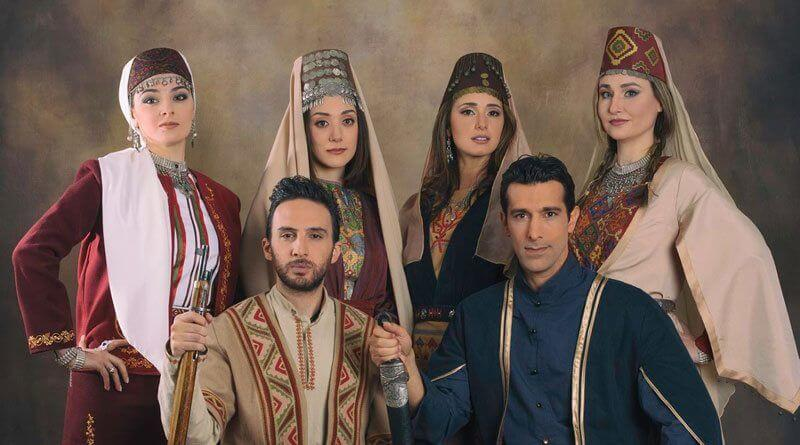
Independent since 1991, the Republic of Armenia is a small South Caucasus state with evolving economy and complex geopolitics. Global communities contribute to science, arts, and civic life worldwide. Cultural continuity—language, church, festivals—is also negotiated in secular schools and digital spaces.
Armenians today navigate identity between homeland and diaspora, tradition and modernity, memory and future.
Understanding Armenian history and identity is essential to understanding the scale and meaning of the events of 1915. It was not only the loss of lives, but the rupture of a civilization shaped over millennia.

Continue with Why it matters today and Resources.