
Why it matters today
The Armenian Genocide is not only a historical event.
It continues to shape debates about human rights, denial, and responsibility in Europe and beyond. How societies remember past violence affects how they respond to injustice today.
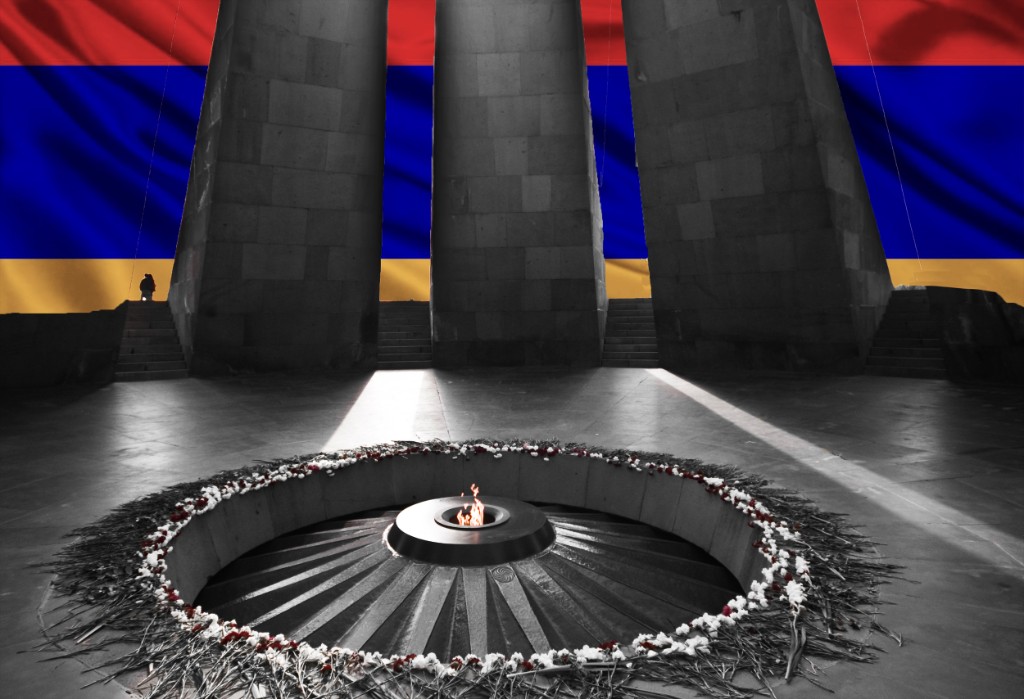
Public memory
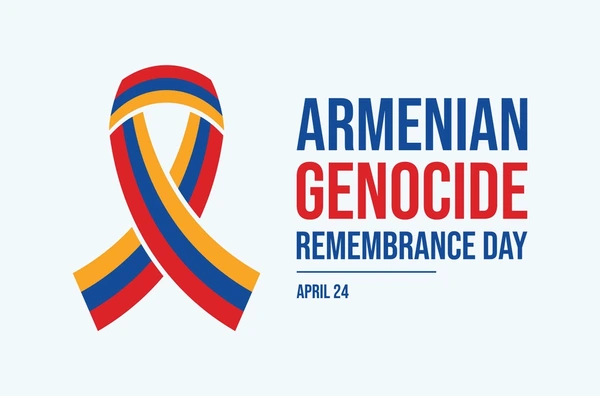
Remembering is not only symbolic. It shapes education, museums, public debate, and how societies define truth.
Memorials, archives, and commemorations ensure that historical violence is not erased or distorted.
Democratic societies transform memory into policy: education, archives, and protection of minorities. Recognition of 1915 aligns with broader European commitments to human rights.
To separate symbolic resolutions from criminal law, read Recognition and laws.
Memory and justice
Recognizing documented crimes respects victims and their descendants. It does not require a modern court ruling, but it does require rejecting denial and distortion of established historical evidence.
Political recognition
When parliaments recognize the Armenian Genocide, they send a clear signal that mass atrocities cannot be ignored or denied. Recognition supports education, public awareness, and alignment with human-rights standards.
Across Europe, many countries—including France, Germany, and others—have formally recognized the Armenian Genocide. Spain remains part of this ongoing conversation.
Prevention and democratic values
Understanding past atrocities helps prevent future ones. Education, open archives, and responsible public discourse reduce the risk of dehumanization and violence.
Denial or distortion of past crimes weakens democratic resilience.
Prevention is not a slogan: it is civic education, archival access, and a systematic refusal to dehumanize in media and classrooms.Public denial of the Armenian Genocide interacts with freedom of expression differently in each country; there is no single European template. Read concrete case law—such as Perinçek at the ECtHR—without extrapolating headlines.
Explore further
To understand the full context and implications:
Spain and the debate today
In Spain, discussions about historical memory are part of broader democratic reflection. Recognizing the Armenian Genocide would align Spain with many European partners and reinforce its commitment to human rights and historical truth.
Learn more about recognition efforts and how democratic societies address historical crimes: Take action · Recognition and laws.